Paintball Strategy And Coordination
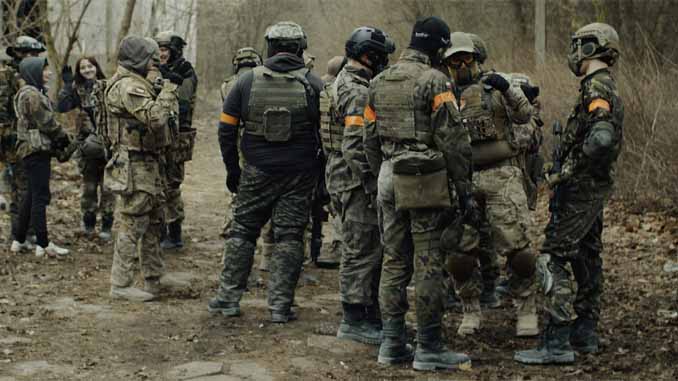
In the heart-pounding world where strategy meets adrenaline, paintball isn’t just a recreational pursuit; it’s an intricate dance of cunning tactics, precision marksmanship, teamwork, and individual skill. The key to victory in this colorful and thrilling sport lies in paintball strategy and coordination. In this article, we’ll explore the significance of strategic planning and effective teamwork in paintball, which can be the ultimate game-changer on the battlefield.
The Role Of Strategy In Paintball
Paintball is not just about firing paint-filled projectiles at opponents; it’s about outthinking them. A successful paintball strategy serves as a blueprint for achieving objectives and gaining the upper hand. Here’s why strategy matters:
Objective Achievement: In many paintball games, the goal is not just to eliminate opponents but to achieve specific objectives, such as capturing flags or holding positions. A well-thought-out strategy guides the team in achieving these objectives.
Resource Management: Paintballs are finite resources, so effective strategy helps conserve ammunition and use it judiciously. Proper resource management can be a game-saver.
Adaptability: A sound strategy provides a framework, but it must also be adaptable. As the game evolves and circumstances change, a team should be able to adjust its tactics to suit the situation.
Tactical Advantage: Strategic planning can create tactical advantages by anticipating the opponent’s moves and positioning your team accordingly. It’s about setting up the chessboard before the game begins.
The Power Of Coordination
Effective coordination among team members is another crucial component of success in paintball. Coordination involves seamless communication, teamwork, and synchronized execution of tactics. Here’s why it’s essential:
Communication: Clear and timely communication is the lifeblood of any team’s success. Players must share information about enemy positions, plans, and movements to make informed decisions.
Cover And Support: Teammates provide cover and support for each other, allowing for better movement, reloading, and strategic positioning. This coordination maximizes the team’s control of the battlefield.

Specialization: Different players on a team can have specialized roles, such as snipers, assault players, or defenders. Effective coordination combines these roles for maximum effect.
Key Aspects Of Successful Paintball Strategy And Coordination
Pre-Game Planning: Before the match starts, teams should devise a strategic plan that outlines their objectives, positions, and overall tactics. This planning phase is essential for setting the game’s direction.
Team Roles: Assign specific roles to each team member based on their strengths and preferences. This ensures that players know their responsibilities and can focus on their specialized tasks.
Effective Communication: Teams should establish clear communication channels, whether through radios, hand signals, or verbal cues. Timely and accurate information sharing is a must.
Tactical Adaptation: Teams must be flexible and able to adjust their strategies on the fly. Sometimes, the best-laid plans need to change in response to the evolving game.
Practice: Regular practice as a team is vital for improving coordination. Understanding your teammates’ playing styles and tactics helps synchronize your efforts more effectively.
Paintball strategy and coordination are the winning formula for success on the field. By honing your strategic planning and working closely with your teammates to execute your tactics, you can consistently achieve victory in the colorful and adrenaline-fueled world where strategy meets adrenaline. So, load your marker, rally your team, and aim for triumph through the power of paintball strategy and coordination.