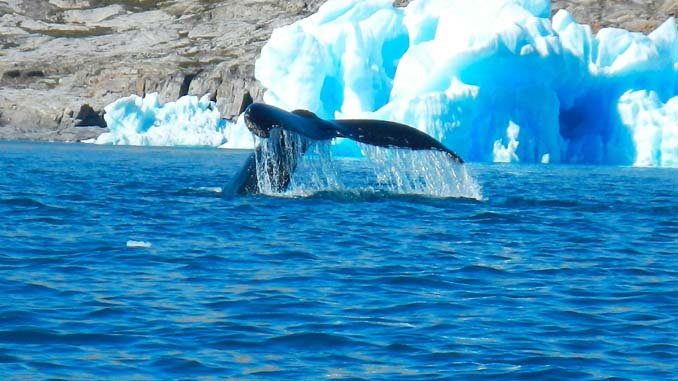
One of the most significant and visible consequences of global warming is the rise in sea levels, which poses an increasing threat to coastal cities around the world. As global temperatures rise, the melting of glaciers and polar ice caps combined with the thermal expansion of seawater is causing oceans to rise, putting millions of people, infrastructure, and ecosystems at risk.
Sea levels have already risen by about 8-9 inches (20-23 centimeters) since 1900, with the rate accelerating in recent decades. This trend is largely driven by two key factors linked to global warming. First, warmer air temperatures cause polar ice sheets and mountain glaciers to melt, adding more water to the oceans. Second, as water warms, it expands, contributing further to sea level rise.
For coastal cities, rising sea levels mean an increased risk of flooding, especially during storms and high tides. Cities like Miami, New York, Mumbai, and Bangkok are experiencing more frequent “nuisance floods” that disrupt daily life and damage roads, homes, and businesses. In extreme cases, severe storm surges can cause catastrophic flooding and loss of life.
Beyond immediate flooding, rising seas also threaten freshwater supplies by causing saltwater intrusion into underground aquifers, which many coastal communities rely on for drinking water and agriculture. Additionally, coastal erosion and the loss of wetlands, which act as natural buffers against storms, exacerbate vulnerability to climate impacts.

The economic consequences for coastal cities are substantial. Damage to infrastructure, property loss, and disruption of industries such as tourism and fishing can strain local economies. Governments face costly investments in protective measures such as seawalls, levees, and improved drainage systems to mitigate these effects.
Scientists use climate models to predict future sea level rise under different emission scenarios. Estimates suggest sea levels could rise by up to 1 meter (3.3 feet) or more by 2100 if greenhouse gas emissions continue unabated. This would dramatically increase the risk of permanent flooding in low-lying coastal regions.
Addressing sea level rise requires both mitigation and adaptation. Reducing global greenhouse gas emissions is critical to slowing the rate of warming and ice melt. At the same time, coastal cities must invest in resilient infrastructure, early warning systems, and sustainable urban planning to protect vulnerable populations.
The rising tides serve as a stark reminder of global warming’s far-reaching consequences, highlighting the urgent need for coordinated global action to protect our coastal communities and ecosystems.