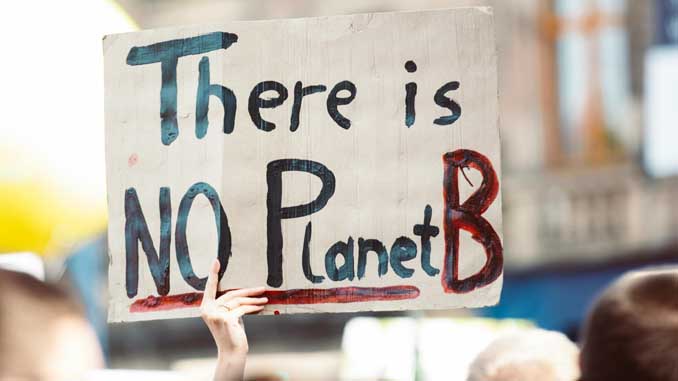
Over the past few decades, scientists have observed a clear increase in the frequency and intensity of extreme weather events worldwide. Hurricanes, heatwaves, droughts, floods, and wildfires have become more common and severe, and global warming is a key driver behind this alarming trend.
Global warming refers to the rise in Earth’s average surface temperature due to human-induced greenhouse gas emissions. This warming affects the atmosphere and oceans, both of which play a critical role in shaping weather patterns. As the planet heats up, it creates conditions that fuel more extreme weather in several ways.
First, higher temperatures increase evaporation rates, leading to more moisture in the atmosphere. This additional moisture can intensify storms and cause heavier rainfall, which often results in devastating floods. For instance, hurricanes like Hurricane Harvey in 2017 dropped record-breaking amounts of rain, causing catastrophic flooding in parts of the United States.

Second, global warming raises ocean temperatures, which provides more energy to tropical storms and hurricanes, making them stronger and more destructive. Warmer oceans also cause sea levels to rise through melting ice and thermal expansion, increasing the risk of storm surges that can inundate coastal areas.
Heatwaves have become more frequent and prolonged as global temperatures rise. These intense heat events can have serious impacts on human health, agriculture, and ecosystems. For example, prolonged droughts can stress crops and reduce water supplies, leading to food shortages and economic losses.
Wildfires have also increased in frequency and severity, especially in regions experiencing hot, dry conditions exacerbated by global warming. Places like California and Australia have seen record-breaking wildfire seasons, threatening lives, homes, and wildlife.
While extreme weather is a natural part of Earth’s climate system, the influence of global warming makes these events more intense and unpredictable. Scientists use climate models to study and predict how changing climate conditions affect weather patterns, helping communities prepare and adapt.
Mitigating global warming by reducing greenhouse gas emissions is essential to slowing the increase in extreme weather. Additionally, governments and communities must invest in disaster preparedness, resilient infrastructure, and early warning systems to reduce the damage and protect lives.
Understanding the link between global warming and extreme weather emphasizes the urgent need for climate action to safeguard our planet and future generations.