A Journey To Recovery
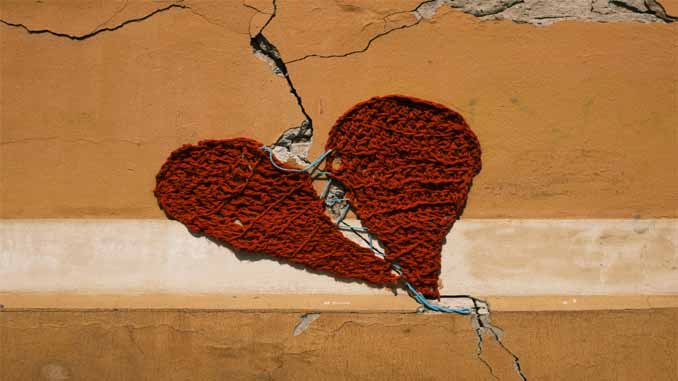
Betrayal is a profound emotional wound that can leave lasting scars, impacting not only our trust in others but also our sense of self-worth. Whether it’s a betrayal by a loved one, a friend, or a colleague, the pain can be excruciating. However, healing from the emotional wounds of betrayal is possible and essential for personal growth and well-being.
Understanding Betrayal And Its Impact
Betrayal occurs when someone we trust and depend on violates our trust by acting against our best interests. The emotions that follow can be intense, including anger, sadness, shame, and a profound sense of loss. Betrayal can challenge our belief in the goodness of others and shatter our self-esteem.
Acknowledging Your Emotions
The first step in healing from betrayal is acknowledging your emotions. It’s crucial to allow yourself to feel and express the anger, hurt, and disappointment you’re experiencing. Suppressing these emotions can prolong the healing process and potentially lead to more profound wounds.
Self-Compassion And Self-Care
Betrayal can often lead to feelings of shame and self-blame. It’s essential to practice self-compassion and recognize that you are not at fault for someone else’s betrayal. Engage in self-care routines that promote your emotional and physical well-being. This can include exercise, mindfulness, and seeking support from loved ones.
Seeking Support
Healing from betrayal is a journey that doesn’t have to be traveled alone. Reach out to friends, family, or a therapist to share your feelings and experiences. Talking about the betrayal can help you gain perspective, find emotional support, and navigate the complex emotions that come with betrayal.

Forgiveness And Closure
Forgiveness is a challenging but important part of healing from betrayal. Forgiving the person who betrayed you does not mean condoning their actions. Instead, it’s a way to release the emotional burden and free yourself from the chains of anger and resentment. Forgiveness is a gift you give to yourself, allowing you to move forward with your life.
Setting Healthy Boundaries
After experiencing betrayal, it’s crucial to reevaluate and set healthy boundaries in your relationships. Boundaries help protect you from future harm and ensure that you maintain a sense of emotional safety. Setting boundaries also empowers you to communicate your needs and expectations clearly.
Self-Reflection And Growth
Betrayal can offer an opportunity for self-reflection and personal growth. Use this time to reflect on the circumstances that led to the betrayal and your own role in the relationship. Self-awareness can lead to personal development, improved decision-making, and more resilient future relationships.
Healing from the emotional wounds of betrayal is a challenging and transformative process. By acknowledging your emotions, practicing self-compassion, seeking support, and eventually forgiving, you can embark on a journey to recovery. Remember that the scars from betrayal may never fully disappear, but with time and effort, they can become a source of strength and resilience, allowing you to build healthier and more fulfilling relationships in the future. Betrayal may have shaken your trust, but it doesn’t have to define your future.