Stunning Sites Explained
What Are The Natural Wonders Of The World?
The natural wonders of the world are extraordinary landmarks and sites that showcase the Earth’s stunning beauty, geological diversity, and unique ecosystems. These natural marvels have captivated humanity for centuries, inspiring awe and admiration due to their breathtaking size, beauty, and significance. Recognized for their extraordinary features, natural wonders highlight the Earth’s geological and environmental diversity.
Criteria For Natural Wonders
Natural wonders are typically defined by their spectacular beauty, rare geological formations, and importance in shaping the planet’s ecosystems. They are often recognized for their size, uniqueness, and the way they evoke a sense of wonder. The classification varies, with some natural wonders recognized by global organizations like the New7Wonders Foundation or regional and national bodies.
Famous Natural Wonders Of The World
The Grand Canyon, USA
The Grand Canyon is one of the most iconic natural wonders. Carved by the Colorado River over millions of years, its vast gorges, towering cliffs, and vibrant layers of rock showcase Earth’s geological history.
The Grand Canyon is not only a marvel of nature but also an important site for scientific study and a key destination for travelers.
Mount Everest, Nepal/Tibet
Mount Everest stands as the world’s tallest mountain, towering at 29,032 feet (8,848 meters) above sea level. Its sheer size, formidable landscape, and cultural significance make it one of the most awe-inspiring natural wonders.
It symbolizes human exploration, endurance, and the pursuit of adventure.
Great Barrier Reef, Australia
The Great Barrier Reef is the largest coral reef system in the world, stretching over 2,300 kilometers. Its vibrant marine life, rich biodiversity, and stunning coral formations make it a treasure of the underwater world.
The reef is crucial for marine conservation and attracts millions of divers, scientists, and tourists each year.
Victoria Falls, Zambia/Zimbabwe
Victoria Falls, often called the “Smoke that Thunders,” is one of the world’s most breathtaking waterfalls. Its vast, thundering cascade and surrounding mist create a spectacular natural display.
The falls are located on the Zambezi River and have been a symbol of natural beauty and power.
Paricutin Volcano, Mexico
Paricutin Volcano is a unique natural wonder that emerged suddenly in a farmer’s field in 1943. Its rapid growth and dramatic eruptions led to the creation of a new landscape, showcasing the forces of nature in action.
Northern Lights (Aurora Borealis)
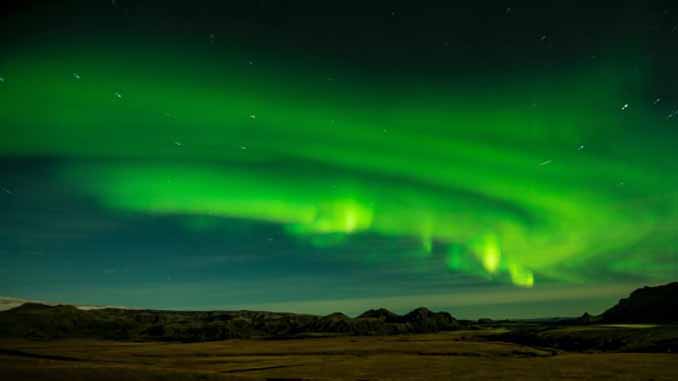
The Northern Lights are a breathtaking display of light and color, caused by solar activity interacting with the Earth’s atmosphere. They are visible in high-latitude regions like Scandinavia, Alaska, and parts of Canada, creating stunning natural displays.
Amazon Rainforest, South America
The Amazon Rainforest is the world’s largest tropical rainforest, covering over 5.5 million square kilometers. It’s home to an incredible diversity of plant and animal life and plays a critical role in regulating the Earth’s climate.
Cultural And Environmental Importance
Natural wonders not only inspire wonder and tourism but also emphasize the importance of conservation. Many of these sites face threats from climate change, pollution, and human activities, making their preservation essential for future generations.
The natural wonders of the world are awe-inspiring landscapes that showcase the planet’s beauty, diversity, and power. From towering mountains and vast canyons to breathtaking waterfalls and vibrant coral reefs, these wonders remind us of the Earth’s remarkable capabilities. Preserving these natural wonders ensures that they continue to inspire and educate us for generations to come.
