Pyramids, Temples, And Legacy
What Are The Wonders Of Ancient Egypt?
Ancient Egypt is one of the world’s most fascinating and enduring civilizations, renowned for its monumental architecture, rich culture, and enduring contributions to human history. The wonders of Ancient Egypt reflect the power, creativity, and innovation of one of the world’s oldest and most influential civilizations. Below, we explore the key wonders of Ancient Egypt that have captivated historians, archaeologists, and tourists for centuries.
The Pyramids Of Giza
The Great Pyramids: The Great Pyramids of Giza are perhaps the most iconic and famous landmarks of Ancient Egypt. Built as tombs for Pharaohs like Khufu, Khafre, and Menkaure, these massive structures represent the pinnacle of Ancient Egyptian architecture.
The Great Pyramid of Khufu is the largest and oldest of the three, standing at over 138 meters tall. These pyramids showcase the incredible engineering skills and architectural expertise of the ancient Egyptians.
The precise alignment of the pyramids with the cardinal points (north, south, east, and west) reflects their deep understanding of astronomy.
The Sphinx Of Giza
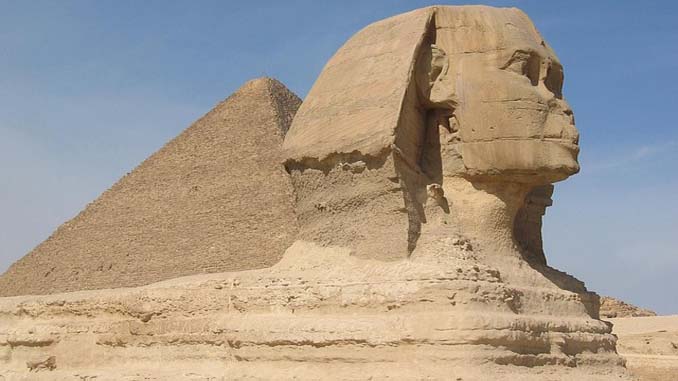
The Great Sphinx: The Sphinx of Giza is one of the most mysterious and iconic symbols of Ancient Egypt. This massive limestone statue, with the body of a lion and the head of a Pharaoh, represents strength, protection, and wisdom.
The Sphinx has stood as a guardian to the pyramids for thousands of years and continues to intrigue visitors with its enigmatic expression and historical significance.
The Temples Of Luxor And Karnak
The Temple Complexes: The Temple of Karnak and the Temple of Luxor are two of the most significant religious and architectural wonders of Ancient Egypt.
The Temple of Karnak, located near the modern city of Luxor, was dedicated to the god Amun and served as the center of religious life. Its massive columns, towering obelisks, and stunning hieroglyphic inscriptions are a testament to Egypt’s devotion to their gods.
The Temple of Luxor, dedicated to the god Amun, showcases impressive columns, colossal statues, and grand courtyards, offering a glimpse into the grandeur of Egypt’s ancient religious practices.
Valley Of The Kings
Royal Tombs And Burials: The Valley of the Kings is the final resting place of many of Egypt’s Pharaohs and powerful rulers. This ancient burial ground contains some of the most famous tombs, including that of Tutankhamun.
The discovery of Tutankhamun’s nearly intact tomb in 1922 by archaeologist Howard Carter revealed a wealth of treasures, providing invaluable insights into Egypt’s history and the practices surrounding death and the afterlife.
The Nile River
The Lifeblood Of Egypt: The Nile River is often considered one of Egypt’s most crucial wonders. Its fertile banks provided the resources necessary for agriculture, sustenance, and the rise of civilization in the region.
The Nile’s predictable flooding and agricultural abundance allowed Ancient Egyptians to build a thriving society, leading to the construction of monumental architecture and cities.
Hieroglyphic Writing And Culture
Pioneers Of Writing And Knowledge: The hieroglyphic writing system is one of the most important cultural contributions of Ancient Egypt. These symbols, often inscribed on temples, tombs, and monuments, conveyed religious, historical, and administrative information.
The Egyptians’ contributions to science, medicine, mathematics, and art laid the foundation for future civilizations.
The wonders of Ancient Egypt—the pyramids, the Sphinx, temples, the Valley of the Kings, and the Nile River—represent the extraordinary achievements and contributions of one of the world’s most ancient and influential civilizations. These monumental structures and cultural landmarks continue to fascinate historians, tourists, and researchers, offering a glimpse into the remarkable legacy of Egypt’s past.
