Everything You Need To Know
About Global Warming
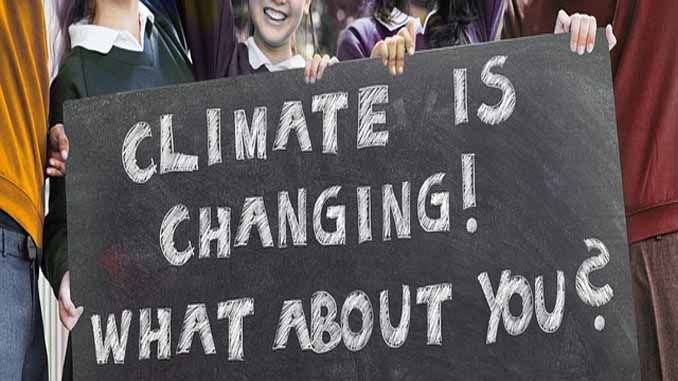
What Is Climate Change?
Climate change refers to long-term shifts in the Earth’s weather patterns, including changes in temperature, precipitation, wind, and other atmospheric conditions. These shifts are primarily driven by human activities and the release of greenhouse gases into the atmosphere, leading to a warming planet. Climate change has profound effects on ecosystems, weather systems, and human societies, making it one of the most pressing global challenges today.
Causes Of Climate Change
The primary driver of climate change is the buildup of greenhouse gases, such as carbon dioxide (CO₂), methane (CH₄), and nitrous oxide (N₂O). These gases trap heat in the Earth’s atmosphere, creating the “greenhouse effect.” The burning of fossil fuels (like coal, oil, and natural gas) for energy, deforestation, and industrial activities release large amounts of these gases, intensifying the greenhouse effect. Land use changes, like agriculture and urbanization, also contribute by reducing the planet’s ability to absorb CO₂.
Effects Of Climate Change
The impacts of climate change are far-reaching and interconnected. Rising global temperatures are causing more frequent and severe heatwaves, storms, droughts, and flooding. Melting ice caps and glaciers contribute to rising sea levels, threatening coastal communities with flooding and erosion. Changes in precipitation patterns disrupt agriculture, water supplies, and biodiversity, affecting ecosystems and wildlife. In addition, extreme weather events are becoming more destructive, leading to loss of life, economic damage, and food insecurity.
Scientific Evidence And Global Consensus
The overwhelming consensus among scientists is that climate change is largely driven by human activities, particularly the burning of fossil fuels. The Intergovernmental Panel on Climate Change (IPCC) has consistently highlighted the urgent need to limit global warming to prevent catastrophic climate impacts. According to the Paris Agreement, global efforts aim to keep the rise in global temperatures well below 2°C, striving for 1.5°C, to avoid the most dangerous consequences of climate change.
Solutions And Mitigation Efforts
To combat climate change, both mitigation (reducing greenhouse gas emissions) and adaptation (adjusting to the impacts) are crucial. Renewable energy sources like solar and wind power, energy efficiency improvements, and a shift away from fossil fuels are key strategies for reducing emissions. Reforestation and conservation efforts help restore ecosystems that absorb carbon dioxide. Governments, businesses, and individuals play a role in adopting sustainable practices and supporting policies that aim to curb emissions and build resilience to climate impacts.
Climate change is a complex and urgent issue driven by human activities, leading to widespread environmental, social, and economic challenges. Understanding its causes and effects is essential for fostering global cooperation and implementing solutions to mitigate its impacts. The actions taken now will determine the future of our planet.
