Benefits And Challenges In The Digital Age
How Technology Shapes Our Physical And Mental Health
Technology has become an integral part of modern life, transforming how we work, communicate, and even manage our health. While technological advancements bring numerous benefits, their impact on physical and mental health has been a subject of ongoing debate.
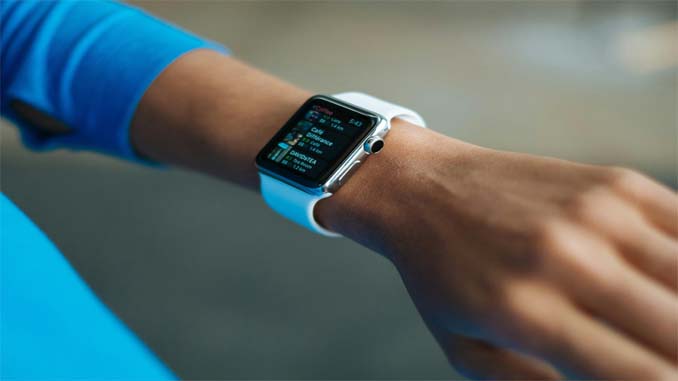
One of the most significant contributions of technology to health is in the field of medical care. Innovations like telemedicine, wearable fitness trackers, and advanced diagnostic tools have improved the accessibility and accuracy of healthcare. Telemedicine allows patients to consult doctors remotely, saving time and reducing barriers to care, particularly in rural areas. Wearables such as smartwatches monitor heart rate, sleep patterns, and activity levels, empowering individuals to take a proactive role in their health.
However, technology also presents challenges. Prolonged screen time has been linked to issues such as eye strain, disrupted sleep, and poor posture. The rise of sedentary lifestyles, driven by extensive use of computers and smartphones, contributes to obesity, cardiovascular problems, and other chronic conditions. Furthermore, mental health concerns like anxiety and depression have been associated with excessive social media use and digital overdependence.

The impact of technology on mental health is a double-edged sword. On one hand, online platforms provide access to mental health resources, such as virtual therapy and mindfulness apps. On the other, the constant connectivity and pressure to maintain a digital presence can lead to stress and feelings of inadequacy.
To mitigate these risks, adopting healthy tech habits is crucial. Limiting screen time, using blue light filters, and incorporating physical activity into daily routines can reduce the adverse effects of prolonged device use. Additionally, striking a balance between online and offline activities helps foster overall well-being.
Technology significantly influences health, offering remarkable opportunities for medical innovation and personal empowerment while also posing challenges to physical and mental well-being. By embracing its advantages responsibly and addressing its downsides proactively, individuals and societies can harness the full potential of technology to improve health outcomes.