What Is The Importance Of Regular Check-Ups?
Regular check-ups are a critical component of maintaining good health and preventing illnesses. These routine visits to healthcare professionals allow for early detection of potential health issues, provide guidance on maintaining overall wellness, and help individuals stay proactive about their long-term well-being. Below, we explore the key reasons why regular check-ups are essential for everyone.
Early Detection Of Health Issues
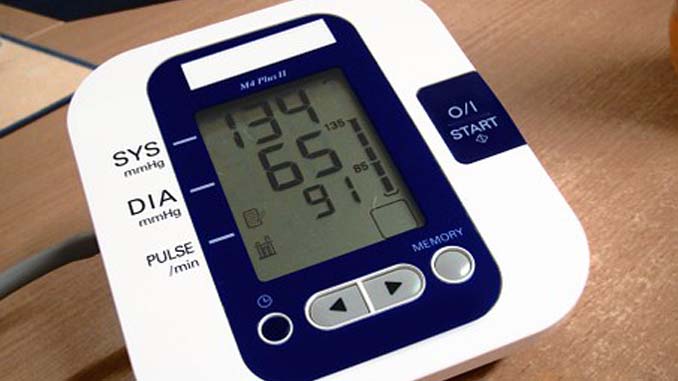
One of the most significant benefits of regular check-ups is the early detection of health problems. Many chronic conditions, such as hypertension, diabetes, and certain cancers, often show few or no symptoms in their early stages. Regular health screenings, including blood pressure monitoring, cholesterol tests, and cancer screenings, enable healthcare providers to identify these conditions before they become severe. Early diagnosis often leads to more effective treatment and better health outcomes.
Monitoring Chronic Conditions
For individuals managing chronic conditions like diabetes, heart disease, or asthma, regular check-ups are vital for tracking progress and adjusting treatment plans. Routine visits allow healthcare professionals to monitor vital signs, medication effectiveness, and any changes in symptoms. Staying on top of chronic conditions can reduce complications and improve quality of life.
Preventive Care And Health Promotion
Regular check-ups go beyond just diagnosing illnesses—they promote preventive care. Healthcare providers offer advice on maintaining a healthy lifestyle, such as proper diet, exercise, and stress management. They also provide vaccinations and recommend screenings based on age, gender, and family history, helping to prevent diseases before they occur.
Personalized Health Guidance
Every individual’s health needs are unique, and regular check-ups allow healthcare providers to offer personalized advice tailored to specific health concerns. Whether it’s guidance on weight management, mental health, or reproductive health, personalized recommendations help individuals make informed decisions about their health and adopt healthier habits.
Building A Relationship With Healthcare Providers
Establishing a relationship with a primary care provider through regular check-ups fosters trust and open communication. Patients who have a consistent relationship with their healthcare provider are more likely to seek care when needed, follow treatment plans, and adhere to preventive measures, leading to better long-term health outcomes.

Addressing Mental Health
Mental health is an essential component of overall well-being that is often overlooked. Regular check-ups provide an opportunity for healthcare professionals to screen for mental health issues such as depression, anxiety, and stress. Early intervention and treatment can significantly improve mental health outcomes and reduce the risk of long-term complications.
Promoting Long-Term Health And Cost Savings
Preventive care through regular check-ups can save lives and reduce healthcare costs. By catching health issues early, treatment becomes less expensive and more effective. Addressing health concerns promptly can prevent more severe conditions that require costly treatments, surgeries, or hospitalizations.
Regular check-ups play a crucial role in maintaining good health, preventing diseases, and ensuring timely interventions when necessary. From early detection and preventive care to managing chronic conditions and promoting mental health, the benefits of routine health visits are undeniable. By prioritizing regular check-ups, individuals can take proactive steps toward long-term wellness and improved quality of life.