A Phenomenon On The Rise
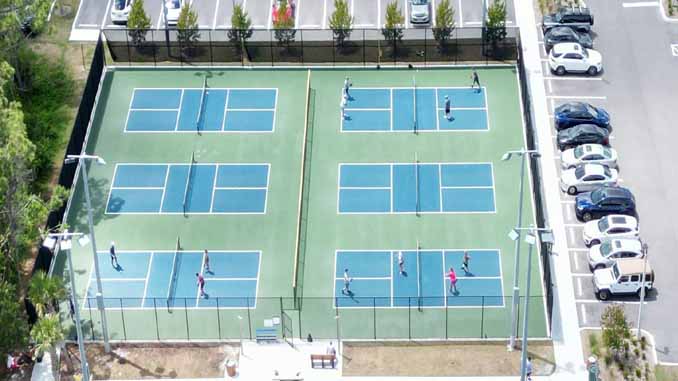
Pickleball, once a niche sport, has evolved into a cultural phenomenon with a substantial impact on communities worldwide. This fast-growing paddle sport, often described as a combination of tennis, badminton, and table tennis, is celebrated for its inclusivity, accessibility, and the sense of community it fosters. In this article, we’ll explore the cultural impact of pickleball and how it has become a significant part of many people’s lives.
Inclusivity And Accessibility: One of the primary reasons behind pickleball’s cultural impact is its inclusivity. Unlike some sports that may have high entry barriers due to physical demands or specialized equipment, pickleball is accessible to a wide range of participants. People of all ages, fitness levels, and skill sets can enjoy the game, making it a sport that brings communities together.
Community Building: Pickleball is more than just a game; it’s a social activity that promotes interaction and community building. Local pickleball clubs, groups, and leagues have sprouted up in communities across the globe. These groups provide a platform for socialization, camaraderie, and support. Pickleball players often forge lasting friendships on the courts, both indoors and outdoors.
Intergenerational Play: Pickleball’s cultural impact extends to intergenerational play. It’s a sport where grandparents can compete alongside their grandchildren, fostering connections between different age groups. This inclusivity across generations strengthens family bonds and community ties, making it a unique cultural phenomenon.

Economic Boost: The growing popularity of pickleball has led to an economic boost in areas where the sport is thriving. This includes the construction and maintenance of pickleball courts, the sale of paddles and equipment, and hosting tournaments and events. Local businesses, from restaurants to sporting goods stores, often benefit from the influx of players and spectators.
Tournaments And Events: The competitive side of pickleball is a significant driver of its cultural impact. Tournaments and events draw players and enthusiasts from near and far, contributing to a sense of excitement and camaraderie. Many of these events incorporate charity fundraisers, further cementing pickleball’s positive influence on communities.
Fitness And Wellness: Pickleball’s physical demands have made it a catalyst for improved health and wellness. As players engage in the sport, they benefit from increased physical activity, agility, and cardiovascular exercise. Pickleball has encouraged individuals to lead more active and healthy lifestyles, which, in turn, has had a profound cultural impact.
Social Integration: Pickleball serves as a platform for social integration. It brings people together from diverse backgrounds and allows them to interact, compete, and enjoy each other’s company. This aspect of the sport promotes understanding and unity in communities.
Media And Pop Culture: The cultural impact of pickleball has extended to media and pop culture. The sport has garnered attention from both traditional and social media outlets, while celebrities and athletes have embraced pickleball as part of their recreational activities, further enhancing its cultural appeal.
The cultural impact of pickleball is a testament to the sport’s power to unite and uplift communities. It has transcended its status as a mere game to become a symbol of inclusivity, social integration, and healthy living. As pickleball continues to grow in popularity, its cultural significance is likely to expand even further, leaving a lasting legacy of fun, community, and positive change.