The Drive For Excellence
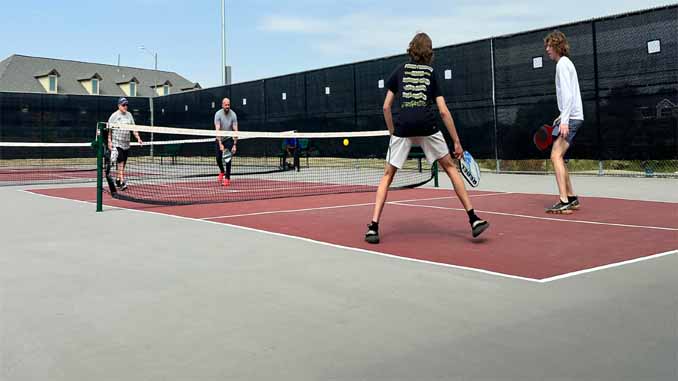
Pickleball, often hailed as one of the fastest-growing sports in the world, has earned its reputation for being not only accessible and fun but also fiercely competitive. What sets pickleball apart is its ability to cater to players of all ages and skill levels, from casual recreational enthusiasts to highly competitive athletes. In this article, we’ll delve into the competitive aspects of pickleball and explore what drives players to strive for excellence.
Skill Development: Pickleball requires a unique set of skills that combine the finesse of table tennis, the agility of badminton, and the strategic elements of tennis. Competitive players dedicate significant time to developing these skills, including shot placement, spin control, and precision. The pursuit of mastery in these areas is a key driver of competitiveness.

Strategic Play: While pickleball is known for its social and recreational appeal, competitive players bring a new level of strategic thinking to the game. Each point is a mini-battle of wits, with players analyzing their opponents’ weaknesses, anticipating shots, and creating opportunities for winning plays. Strategic innovations such as the third shot drop and stacking are embraced to gain a competitive edge.
Tournaments And Rankings: The competitive aspect of pickleball is exemplified by the numerous tournaments held worldwide, attracting players who aim to compete at the highest levels. These events include local, regional, national, and international competitions. The excitement and prestige associated with tournaments drive players to continually refine their skills and seek recognition in the form of rankings and titles.
Team Play: Pickleball is often played in doubles format, which adds a team dynamic to the sport. Competitive players not only seek individual excellence but also thrive on building strong partnerships with their playing partners. The ability to coordinate strategies, cover the court effectively, and complement each other’s strengths becomes a critical element of success in doubles play.
Physical Conditioning: Competitive pickleball players recognize the importance of physical fitness and conditioning. Agility, speed, and endurance are crucial for enduring long matches and outperforming opponents. Players often incorporate cross-training exercises and cardiovascular workouts into their routines to maintain their competitive edge.
Mental Toughness: Like any competitive sport, pickleball challenges players both physically and mentally. The ability to stay focused under pressure, remain calm in tight situations, and bounce back from setbacks is crucial for success. Competitive players work on their mental toughness through visualization, meditation, and on-court experience.
Growth Of Pickleball Clubs: The surge in pickleball’s popularity has led to the establishment of dedicated pickleball clubs and leagues. These organized groups provide a competitive environment where players can consistently challenge themselves against a variety of opponents. This ecosystem is a breeding ground for competitive play.
Pursuit Of Rankings: Competitive pickleball players often strive to achieve high rankings in their age groups or skill levels. Various rating systems, such as the USAPA (USA Pickleball Association) Skill Rating, help players gauge their abilities and set goals for improvement.
The competitive aspects of pickleball are a testament to the sport’s adaptability and inclusivity. While it can be enjoyed at a casual, recreational level, it also provides a platform for dedicated players to push the boundaries of their abilities and achieve excellence. From skill development to strategic play, tournaments, and the pursuit of rankings, competitive pickleball embodies the drive for excellence and the desire to continually improve. Whether you’re an aspiring competitor or a passionate recreational player, the competitive spirit of pickleball offers an exciting and rewarding journey of self-improvement and competition.