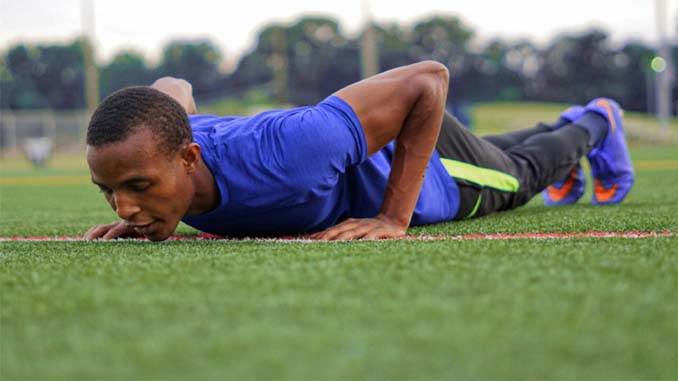
Physical improvement is at the core of every athlete’s journey. Whether you’re a professional sports star or a weekend warrior, striving for physical enhancement is a common goal. This article delves into the athlete’s path to physical improvement, outlining the key factors, strategies, and principles that drive success in this pursuit.
Goal Setting: The athlete’s journey begins with setting clear and realistic goals. These goals may revolve around increasing strength, speed, endurance, or skill proficiency. By defining these objectives, athletes can create a roadmap for their physical improvement journey.
Consistent Training: Consistency is the backbone of physical improvement. Athletes must commit to regular and structured training sessions. Whether it’s hitting the gym, practicing on the field, or working on technique, consistent effort is essential.
Nutrition And Diet: A well-balanced diet plays a crucial role in an athlete’s physical improvement. Proper nutrition ensures that the body receives the necessary fuel to perform at its best, recover, and build muscle. Athletes often work with nutritionists to tailor their diet to their specific needs.
Rest And Recovery: Intense training puts strain on the body, and adequate rest and recovery are vital. This includes getting enough sleep, incorporating rest days into the training schedule, and using recovery techniques like massage and stretching.

Personalized Training Plans: Not all athletes are the same, and their training plans should reflect this. Tailored training programs, often designed with the help of coaches or trainers, consider the athlete’s current physical condition, goals, and weaknesses.
Monitoring Progress: Regular assessment of progress is essential. Athletes use metrics such as performance data, body measurements, and feedback from trainers to track their improvement. These insights guide necessary adjustments to training and nutrition plans.
Mental Resilience: Physical improvement isn’t just about the body; it’s also about the mind. Athletes must develop mental resilience to push through challenges, setbacks, and plateaus. A positive attitude and strong mindset are key assets on this journey.
Cross-Training: Diversifying the training routine can accelerate physical improvement. Cross-training helps target different muscle groups, prevent overuse injuries, and enhance overall athleticism.
Seek Professional Guidance: Many athletes benefit from professional guidance, such as working with coaches, trainers, and sports medicine experts. These experts can provide specialized training programs, monitor progress, and offer valuable advice.
Injury Prevention And Recovery: Injuries are setbacks in an athlete’s journey, but learning how to prevent them and recover effectively is crucial. A combination of proper warm-ups, cool-downs, and rehabilitation exercises can aid in both prevention and recovery.
Patience And Persistence: Physical improvement takes time, and athletes must be patient and persistent. Overnight transformations are rare, but consistent effort and dedication pay off in the long run.
The athlete’s path to physical improvement is a multifaceted journey that encompasses goal setting, consistent training, proper nutrition, rest, and recovery. Personalized training plans, progress monitoring, mental resilience, and seeking professional guidance are also essential elements. With patience and persistence, athletes can achieve their physical improvement goals, becoming the best version of themselves and excelling in their chosen sport. Remember, the journey is as important as the destination, and every step taken brings athletes closer to their goals.