Recovery Techniques For Sports Injuries
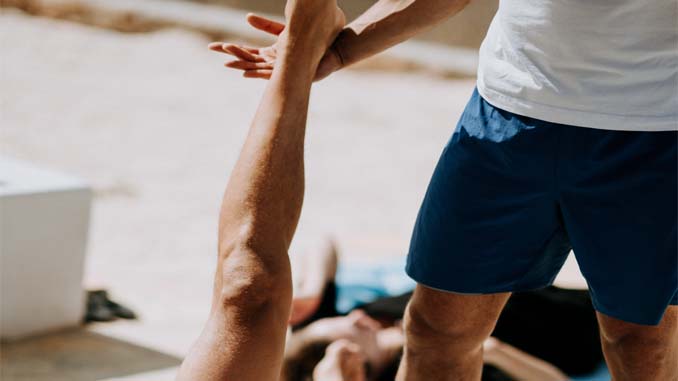
Sports injuries are an unfortunate but common part of an athlete’s life. Whether you’re a seasoned pro or a weekend warrior, knowing how to recover from injuries is paramount to getting back in the game and preventing future setbacks. In this article, we will explore a variety of recovery techniques for sports injuries that can help you regain your strength, mobility, and confidence.
1. Rest And Immobilization: In the immediate aftermath of an injury, one of the first recovery steps is often rest and immobilization. Rest allows the body to begin the natural healing process, and immobilization can help prevent further damage. This may involve the use of braces, slings, or casts.
2. RICE Protocol: The RICE protocol is a well-known method for managing sports injuries. It stands for Rest, Ice, Compression, and Elevation. Rest and elevation help reduce swelling, while ice and compression can alleviate pain and inflammation.
3. Physical Therapy: Physical therapy is a cornerstone of sports injury recovery. Skilled physical therapists develop customized exercise programs to help athletes regain strength, mobility, and function. These programs often include stretching, strengthening, and functional exercises.
4. Heat And Cold Therapy: Heat therapy can be beneficial for relaxing tight muscles, increasing blood flow, and easing pain. Cold therapy, on the other hand, can help reduce inflammation and numb pain. The choice between the two depends on the type and stage of the injury.

5. Massage And Myofascial Release: Massage therapy can help relieve muscle tension, improve circulation, and promote relaxation. Myofascial release techniques target the fascia, the connective tissue surrounding muscles, to release tension and improve mobility.
6. Acupuncture And Dry Needling: Acupuncture and dry needling involve inserting thin needles into specific points on the body to alleviate pain and promote healing. These techniques are often used in conjunction with other forms of therapy.
7. Electrical Stimulation And Ultrasound: Electrical stimulation and ultrasound are modalities used by physical therapists to reduce pain and enhance the healing process. They can improve circulation, reduce muscle atrophy, and relieve discomfort.
8. Taping And Bracing: Taping and bracing can provide added stability and support for injured areas. Proper taping techniques can help protect injured joints and tissues while allowing for some movement.
9. Gradual Return To Activity: Returning to your sport gradually is crucial for avoiding re-injury. Your physical therapist or healthcare provider can develop a structured plan that incrementally increases the intensity and duration of your activity as you heal.
10. Nutrition And Hydration: Proper nutrition plays a critical role in recovery. A balanced diet rich in nutrients can aid in tissue repair and reduce the risk of complications. Staying hydrated is equally important for overall healing.
11. Mental Health Support: Sports injuries can take a toll on an athlete’s mental well-being. Seeking psychological support or counseling can help athletes cope with the emotional challenges of recovery and regain their confidence.
12. Preventive Measures: Preventing future injuries is a crucial part of recovery. Athletes should incorporate injury prevention exercises, proper warm-ups, and cool-downs into their routine to reduce the risk of re-injury.
Recovery techniques for sports injuries are diverse and can be highly effective when used in the right context. Athletes should seek professional guidance to create a comprehensive recovery plan that aligns with their specific injury and goals. By following these techniques and committing to their rehabilitation, athletes can recover fully and safely, getting back to their sport with the strength and resilience they need to excel. Remember, a structured recovery plan is the path to a successful comeback.