The Key To Longevity In Sports
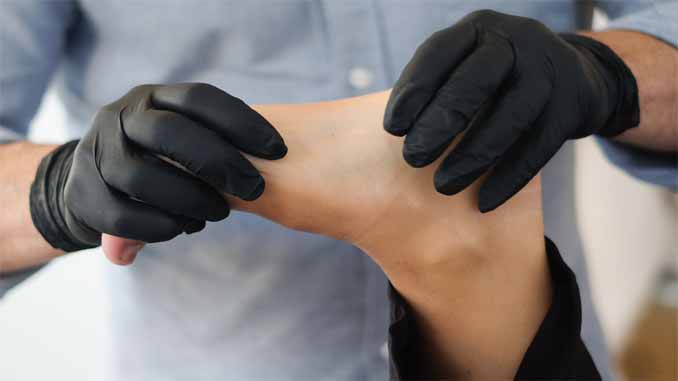
Injuries are an inherent part of the sports world, and athletes, whether professional or recreational, are no strangers to the physical toll that sports can take on their bodies. However, a holistic approach to injury prevention has gained prominence in recent years, recognizing that injury prevention goes beyond just the physical aspect of training. In this article, we will explore the concept of a holistic approach to injury prevention, encompassing not only the physical but also the mental and lifestyle components.
1. Physical Conditioning: Physical strength, flexibility, and overall conditioning are fundamental aspects of injury prevention. Building muscle, improving joint stability, and increasing flexibility can reduce the risk of injuries. This includes strength training, stretching, and functional exercises that target the specific needs of athletes.
2. Proper Technique And Form: Training in the correct technique and form is crucial to preventing injuries. Athletes must learn how to execute movements and actions accurately to reduce the risk of injury.
3. Warm-Up And Cool-Down: Effective warm-up routines prepare the body for exercise by increasing blood flow and raising body temperature. Cool-downs help the body recover and prevent muscle soreness. Both are vital components of injury prevention.
4. Nutrition And Hydration: Proper nutrition and hydration support overall health and recovery. Athletes should maintain a balanced diet to provide the necessary fuel for the body and stay well-hydrated to perform at their best.
5. Rest And Recovery: Adequate rest and recovery are critical for preventing overuse injuries. Sleep and relaxation are key to allowing the body to repair and regenerate. Overtraining can lead to fatigue and an increased risk of injury.
6. Mental Resilience: Incorporating mental health and resilience training can help athletes cope with the stress and pressure of competition. A strong mental state can also help athletes make better decisions and reduce the risk of impulsive actions that can lead to injuries.
7. Listen To The Body: Athletes must pay attention to their bodies and listen to the signals they provide. Pain, discomfort, or unusual sensations can be indicators of potential injuries. Ignoring these signals can lead to severe problems.

8. Injury Prevention Workshops: Attending injury prevention workshops and classes can provide athletes with specialized techniques and strategies to reduce injury risks in their chosen sport. These workshops are often facilitated by experts and can offer valuable insights.
9. Cross-Training: Incorporating a variety of activities into the training regimen can help prevent overuse injuries. Cross-training allows athletes to use different muscle groups and reduce the risk of strain on a particular area.
10. Support System: Having a strong support system that includes coaches, trainers, and medical professionals can provide guidance and resources for injury prevention and management. Coaches and trainers can offer insights into technique and form, while medical professionals can provide guidance on rehabilitation and recovery.
11. Lifestyle And Recovery Measures: Lifestyle choices also play a role in injury prevention. Factors such as proper sleep, stress management, and maintaining a balanced work-life-training ratio can impact an athlete’s susceptibility to injuries.
12. Regular Monitoring: Continuous monitoring and assessment of an athlete’s physical condition and progress are vital. Regular check-ups and evaluations help detect potential issues early and allow for necessary adjustments in training and recovery plans.
A holistic approach to injury prevention recognizes that the physical, mental, and lifestyle components all play integral roles in safeguarding an athlete’s well-being. By embracing this approach, athletes can reduce the risk of injuries and ensure their long-term health and performance in their chosen sport. A well-rounded strategy that includes physical conditioning, proper technique, nutrition, mental resilience, listening to the body, and a support system is essential. Remember, prevention is key to preserving athletic longevity and enjoying the benefits of sports for years to come.