The Innovative World
Of Waste-To-Energy Technology
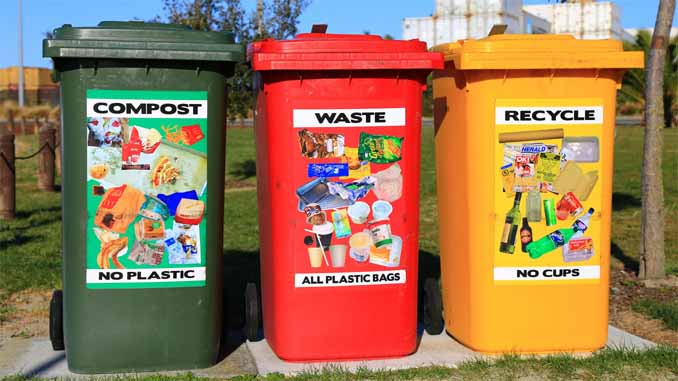
In a world grappling with growing waste concerns and the need for sustainable energy sources, the concept of turning trash into power has emerged as a beacon of hope. Waste-to-energy (WTE) technology is at the forefront of this movement, offering an ingenious solution that not only manages waste efficiently but also harnesses its potential to generate electricity and heat. This transformative approach represents a win-win situation by reducing the burden on landfills and providing a sustainable power source.
The Waste-To-Energy Process
Waste-to-energy technology is a groundbreaking solution that transforms various types of waste materials, including municipal solid waste, agricultural residues, and industrial by-products, into electricity and heat. The process involves different techniques such as incineration, gasification, and anaerobic digestion, depending on the type of waste material being processed. Regardless of the method employed, the goal remains the same: extracting energy from waste.
Diverse Sources Of Waste
What makes the concept of turning trash into power so promising is the diversity of waste sources that can be utilized. It’s not limited to just household waste; rather, it extends to agricultural and industrial waste streams. This versatility allows us to divert a significant portion of waste from landfills and turn it into a valuable resource.
Environmental Benefits
Waste-to-energy technology brings about a multitude of environmental benefits. Firstly, it reduces the need for landfill space, addressing the problem of limited landfill capacity. Landfills are notorious for releasing greenhouse gases and contaminating the environment, which can be mitigated through the use of WTE facilities. Moreover, the incineration process in these facilities is carefully controlled to minimize harmful emissions, contributing to cleaner air and a decrease in greenhouse gas emissions.
Reducing Fossil Fuel Dependency
One of the significant advantages of turning trash into power is its potential to reduce our dependence on fossil fuels. By utilizing waste materials as a source of energy, we decrease the demand for non-renewable resources. This transition aligns with the global push for a more sustainable energy mix and aids in reducing carbon emissions.
Economic And Social Benefits
Beyond environmental advantages, waste-to-energy initiatives bring economic and social benefits to communities. These facilities create jobs, stimulate local economies, and provide a stable source of revenue through the sale of surplus electricity to the grid. This not only fosters economic growth but also enhances the sustainability of waste management practices.
Challenges And Considerations
While the concept of turning trash into power is promising, it faces challenges such as public perception and concerns about emissions from incineration. It is essential to implement stringent regulations, advanced emission control technologies, and effective waste sorting systems to ensure that WTE facilities operate responsibly and safely.
The practice of turning trash into power is a monumental step toward a cleaner and more sustainable energy future. It addresses waste management concerns, reduces carbon emissions, and diminishes our reliance on fossil fuels. To fully harness the potential of this technology, continued investment in research, technology, and responsible waste-to-energy practices is essential. With ongoing commitment, we can turn our waste into a valuable resource and lead the way to a cleaner and more sustainable world.
