A Sustainable Solution For A Greener World
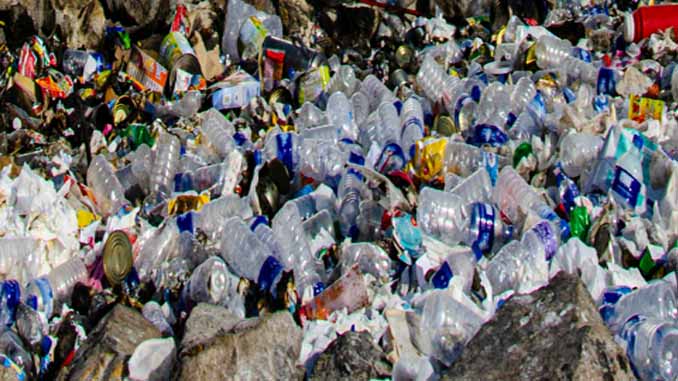
In a world facing the dual challenges of increasing waste generation and the urgent need for sustainable energy sources, fuel production from waste streams has emerged as a promising solution. This innovative approach not only offers a sustainable solution for waste management but also provides an opportunity to produce clean and renewable fuels, contributing to a more environmentally responsible and energy-secure future.
The Waste-To-Fuel Process
Fuel production from waste streams involves the conversion of various waste materials, including municipal solid waste, agricultural residues, and industrial by-products, into valuable fuels. This process may utilize various technologies, including pyrolysis, gasification, and biological conversion. The goal is to extract energy-rich components from waste materials and convert them into usable fuels, such as biofuels or synthetic fuels.
Diverse Feedstocks
One of the notable aspects of fuel production from waste streams is the versatility of feedstock materials. Different types of waste can be used, making this approach a flexible solution for waste management and energy production. Biomass, plastics, and organic waste can all be converted into fuels, diverting them from landfills and incineration.
Biofuels: A Renewable Option
Biofuels are a significant product of this waste-to-fuel process. They are typically produced from biological materials, such as plant residues or algae. Ethanol and biodiesel are common biofuels that can be used to replace or blend with traditional gasoline and diesel, reducing the carbon footprint of transportation.
Synthetic Fuels: A Clean Alternative
In addition to biofuels, waste-to-fuel processes can also produce synthetic fuels. Synthetic fuels, such as synthetic gasoline or synthetic diesel, are made from waste materials through chemical processes. These fuels are compatible with existing internal combustion engines and can be used in a wide range of applications, including transportation and industrial processes.
Environmental And Economic Benefits
Fuel production from waste streams offers a range of environmental and economic advantages. It contributes to waste reduction and diversion, mitigating the environmental impact of landfills and reducing the release of greenhouse gases. This approach also reduces the demand for non-renewable fossil fuels, decreasing carbon emissions and reliance on depleting natural resources.
From an economic perspective, converting waste materials into fuels creates opportunities for job growth in waste collection, processing, and fuel production industries. It can stimulate local economies and promote sustainable practices, contributing to a more resilient and vibrant society.
Challenges And Considerations
While fuel production from waste streams is a promising solution, it is not without challenges. Variability in feedstock quality, technological complexity, and the need for consistent waste sorting processes are among the issues that must be addressed for efficient and responsible fuel production.
Fuel production from waste streams is a significant step towards a cleaner and more sustainable energy future. By converting waste materials into valuable and renewable fuels, we reduce waste burdens, cut greenhouse gas emissions, and lessen our dependence on non-renewable resources. To fully unlock the potential of this innovative approach, ongoing investment in technology, research, and sustainable practices is essential. With continued efforts, we can transform waste into a valuable resource and make strides toward a greener, more sustainable world.
