Embracing Sustainability
And Environmental Responsibility
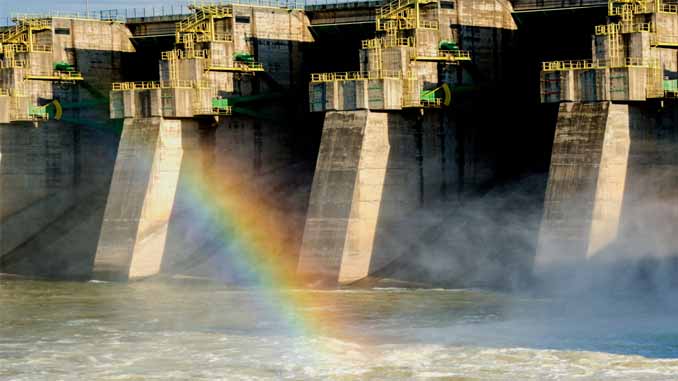
In a world increasingly concerned about climate change, pollution, and finite fossil fuel resources, the concept of a clean energy future has emerged as a beacon of hope. A clean energy future envisions a world where energy production and consumption prioritize sustainability, reduce environmental impact, and contribute to a healthier planet. This transition represents a crucial step towards mitigating the impacts of climate change and securing a brighter, more sustainable future.
1. Renewable Energy Sources
At the heart of a clean energy future are renewable energy sources. Solar, wind, hydropower, and geothermal energy offer sustainable alternatives to fossil fuels. These sources harness the power of nature without emitting harmful greenhouse gases. The ever-increasing affordability and efficiency of renewable technologies make them integral to a clean energy future.
2. Energy Efficiency
Energy efficiency is a fundamental pillar of a clean energy future. It involves the optimization of energy use across various sectors, including residential, commercial, and industrial settings. Energy-efficient technologies, improved building designs, and sustainable practices reduce energy waste, lower energy bills, and cut greenhouse gas emissions.
3. Electrification Of Transportation
Transitioning from gasoline and diesel-powered vehicles to electric vehicles (EVs) plays a pivotal role in reducing carbon emissions. EVs produce zero tailpipe emissions, significantly lowering the carbon footprint of transportation. The expansion of EV charging infrastructure and the development of advanced battery technologies are driving this transformation.
4. Energy Storage Solutions
Energy storage technologies, such as advanced batteries and grid-scale storage, enable the integration of intermittent renewable energy sources into the power grid. These solutions ensure a reliable and consistent energy supply, regardless of weather conditions or time of day.

5. Carbon Capture And Utilization
Carbon capture and utilization (CCU) technologies capture carbon dioxide emissions from industrial processes and convert them into valuable products. CCU not only reduces emissions but also contributes to the circular economy by repurposing carbon dioxide as feedstock for fuels and chemicals.
6. Sustainable Urban Planning
Sustainable urban planning promotes eco-friendly city designs that reduce energy consumption and emissions. Compact, walkable cities with efficient public transportation systems and green infrastructure offer residents a high quality of life while minimizing their environmental impact.
7. Green Buildings And Energy-Efficient Appliances
Green building designs and energy-efficient appliances reduce energy consumption in homes and commercial buildings. These structures are constructed to optimize insulation, lighting, and heating and cooling systems, cutting energy costs and reducing greenhouse gas emissions.
8. Public Policy And Regulation
Government policies and regulations play a vital role in driving a clean energy future. Subsidies for renewable energy, emissions reduction targets, and carbon pricing mechanisms incentivize businesses and individuals to adopt cleaner energy technologies and practices.
Challenges And Considerations
While the vision of a clean energy future is promising, it comes with challenges such as the need for significant infrastructure investments, policy changes, and public awareness. Transitioning to clean energy also requires the careful management of job transitions in regions heavily reliant on fossil fuel industries.
A clean energy future is not just a possibility but a necessity in our efforts to address climate change and secure a sustainable world. By embracing renewable energy, energy efficiency, and sustainable urban planning, we can reduce our carbon footprint, protect the environment, and ensure a brighter and healthier future for generations to come. With continued global commitment and innovative solutions, a clean energy future is within our grasp.