A Positive Approach To Obedience And Behavior
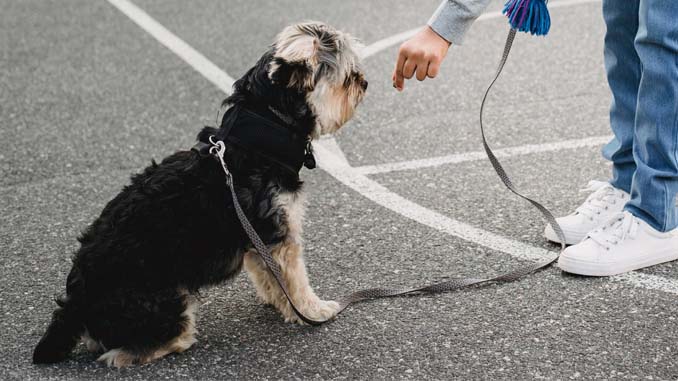
Reward-based dog training methods have gained immense popularity in recent years due to their humane and effective approach to teaching dogs obedience and good behavior. This method, also known as positive reinforcement training, focuses on rewarding desired behaviors with treats, praise, and affection. In this article, we’ll explore the principles and benefits of reward-based dog training methods.
Principles Of Reward-Based Dog Training
Positive Reinforcement: Reward-based training revolves around positive reinforcement. This means that dogs are rewarded immediately for exhibiting desired behaviors. Whether it’s sitting on command, coming when called, or any other action you want to reinforce, a reward follows to encourage repetition.
Timing Is Key: Timing is crucial in reward-based training. The reward must be given promptly, typically within seconds of the desired behavior occurring. This ensures that the dog associates the action with the reward.
Consistency: Consistency is vital in this training method. Everyone in the dog’s life, from family members to caregivers, should follow the same rules and use the same commands to avoid confusion.
Clear Communication: Reward-based training requires clear communication between the dog and the trainer. Verbal cues, hand signals, or clickers are used to signal the desired behavior. These cues are followed by a reward when the dog complies.
Benefits Of Reward-Based Dog Training
Promotes Positive Behavior: Reward-based training encourages good behavior and helps dogs understand what is expected of them. It promotes a willingness to please and cooperation.
Strong Bond: This training method fosters a strong bond between the dog and the trainer. Dogs associate training with positive experiences and look forward to working with their owners.
Reduces Stress And Fear: Reward-based training is a gentle approach that minimizes stress and fear in dogs. It doesn’t involve harsh punishments or intimidation, making it a less anxiety-inducing experience for your pet.
Enhances Problem Solving: Dogs engaged in reward-based training tend to develop better problem-solving skills. They learn to think and make choices in order to earn rewards.
Long-Lasting Results: The lessons learned through reward-based training tend to stick with dogs for the long term. Once they associate a behavior with a positive outcome, they are more likely to continue the good behavior even without immediate rewards.
How To Implement Reward-Based Training Effectively
Identify Desirable Behaviors: Start by determining the behaviors you wish to encourage in your dog, whether it’s basic obedience commands or more advanced tricks.
Use High-Value Rewards: Choose rewards that are highly motivating for your dog. High-value treats, praise, or playtime with a favorite toy are often effective.
Timing: Reward your dog immediately after they exhibit the desired behavior. This immediate reinforcement helps them connect the action with the reward.
Consistency: Be consistent in your training efforts. Use the same cues, rewards, and rules every time you work with your dog.
Patience: Remember that every dog learns at their own pace. Be patient and encouraging, and avoid punitive measures that can hinder the training process.
Reward-based dog training methods are a positive and effective way to teach dogs good behavior and obedience. By rewarding desired behaviors with treats, praise, and affection, you create a positive and motivating learning experience for your furry friend. This method not only promotes positive behavior but also strengthens the bond between you and your pet. Whether you’re working on basic commands or advanced tricks, reward-based training is a humane and successful approach to shaping well-behaved and happy dogs.
