Nourishing The Mind For A Healthier You
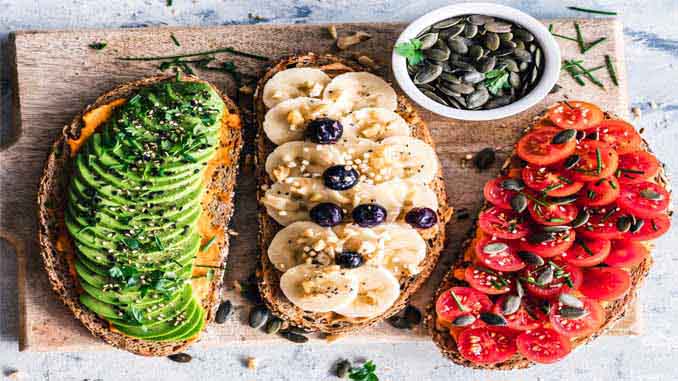
In a world where mental health concerns are increasingly prevalent, the role of nutrition in mental well-being is garnering more attention. Superfoods, packed with essential nutrients, vitamins, minerals, and antioxidants, have emerged as powerful allies in the quest for mental and emotional balance. These nutrient-dense foods not only benefit physical health but also play a crucial role in nourishing the mind.
Here’s how superfoods can positively impact mental well-being:
Omega-3 Fatty Acids: Fatty fish like salmon, sardines, and mackerel are rich sources of omega-3 fatty acids. These fats are essential for brain health and have been linked to reduced risk of depression and improved mood. Omega-3s help maintain the structural integrity of brain cells and facilitate communication between neurons, promoting mental clarity and emotional stability.
Leafy Greens: Spinach, kale, and other leafy greens are abundant in folate, a B-vitamin that supports the production of mood-regulating neurotransmitters, such as serotonin and dopamine. Consuming these vegetables can contribute to a more positive outlook on life.
Berries: Blueberries, strawberries, and blackberries are brimming with antioxidants. These compounds combat oxidative stress and inflammation, both of which have been associated with mood disorders. Berries can help protect the brain from damage and contribute to a more balanced mental state.
Dark Chocolate: High-quality dark chocolate, in moderation, contains compounds that trigger the release of endorphins, the “feel-good” hormones. Additionally, it contains flavonoids, which have been linked to reduced symptoms of depression and anxiety.
Avocado: Avocados are a great source of healthy fats, particularly monounsaturated fats, which support the brain by maintaining proper blood flow and reducing the risk of cognitive decline. This can lead to improved cognitive function and emotional well-being.
Nuts: Almonds, walnuts, and pistachios are nutrient-dense superfoods rich in B vitamins and magnesium, which play a role in mood regulation and the prevention of anxiety and depression.
Turmeric: Curcumin, the active compound in turmeric, has potent anti-inflammatory and antioxidant properties. Research suggests that it may have antidepressant effects by reducing inflammation in the brain.

Greek Yogurt: Fermented foods like Greek yogurt contain probiotics that support the gut-brain connection. A healthy gut microbiome can positively influence mental health and reduce the risk of mood disorders.
Legumes: Lentils, chickpeas, and black beans are excellent sources of plant-based protein and complex carbohydrates. They provide a steady release of energy and help regulate blood sugar levels, which in turn can help stabilize mood and reduce mood swings.
Tea: Green tea, in particular, contains an amino acid called L-theanine that promotes relaxation and reduces stress. It has been shown to enhance cognitive function and contribute to a sense of calm.
While superfoods can certainly have a positive impact on mental well-being, they are most effective as part of a well-rounded, balanced diet. Reducing the intake of processed foods, sugary snacks, and excessive caffeine can further support mental health.
Moreover, adopting a holistic approach to mental well-being, including regular exercise, stress management, quality sleep, and seeking professional help when needed, is crucial for achieving lasting emotional stability.
Superfoods offer a compelling pathway to enhance mental well-being by providing the necessary nutrients for a healthy mind. By incorporating these nutrient-dense foods into your diet and embracing a comprehensive approach to mental health, you can work towards a healthier, more balanced, and emotionally resilient you.