A Path To Optimal Health
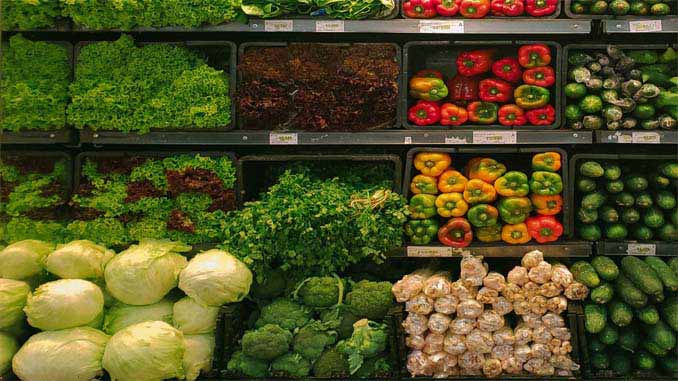
Our dietary needs are a fundamental aspect of our overall well-being, and they play a crucial role in maintaining a healthy and balanced life. Each person’s dietary requirements can vary significantly based on factors such as age, gender, activity level, and underlying health conditions. In this article, we will delve into the importance of understanding and meeting your dietary needs to support your optimal health and well-being.
1. Understanding Dietary Needs
Dietary needs encompass the nutrients, vitamins, and minerals that our bodies require to function at their best. These needs can differ from person to person and can change throughout one’s life. For example, children and adolescents have different nutritional requirements than adults, and pregnant or lactating women have additional needs to support the growth and development of their babies.
2. Nutritional Components
There are several essential nutritional components that make up our dietary needs:
Macronutrients: These include carbohydrates, proteins, and fats, which provide the energy required for daily activities and bodily functions.
Micronutrients: Vitamins and minerals, like vitamin C, calcium, and iron, are essential for various physiological processes.
Water: Adequate hydration is a critical aspect of meeting dietary needs. It is required for digestion, temperature regulation, and overall health.
Fiber: Dietary fiber, found in fruits, vegetables, and whole grains, supports digestive health and can help prevent chronic diseases.
Phytonutrients: These are plant compounds found in colorful fruits and vegetables, known for their health-promoting properties.

3. Tailoring Your Diet
To meet your specific dietary needs, it’s essential to tailor your diet to your individual circumstances. This involves considering factors like age, gender, activity level, and any health conditions or dietary restrictions you may have. For instance, an athlete may require more protein to support muscle recovery and growth, while someone with a gluten intolerance will need to avoid gluten-containing foods.
4. Dietary Needs And Special Populations
Certain populations have unique dietary needs that should be taken into account:
Infants And children: Growing bodies require a steady supply of nutrients to support proper development.
Pregnant And Lactating Women: Additional nutrients, such as folic acid and iron, are essential for the health of both the mother and the baby.
Seniors: As people age, they may require more calcium and vitamin D for bone health, along with other nutrients for overall well-being.
People With Chronic Conditions: Conditions like diabetes, heart disease, and celiac disease may necessitate specialized dietary approaches.
5. Consult A Professional
Meeting your dietary needs can be challenging, especially if you have specific health concerns or dietary restrictions. It’s wise to consult with a healthcare professional or a registered dietitian who can provide personalized guidance and create a dietary plan that meets your unique requirements.
Understanding and meeting your dietary needs is a vital component of achieving and maintaining optimal health. By tailoring your diet to your individual circumstances and seeking professional guidance when necessary, you can ensure that you are providing your body with the necessary nutrients to thrive. Prioritizing your dietary needs is a significant step towards living a healthier and more vibrant life.