A Guide To Harnessing The Sun’s Energy
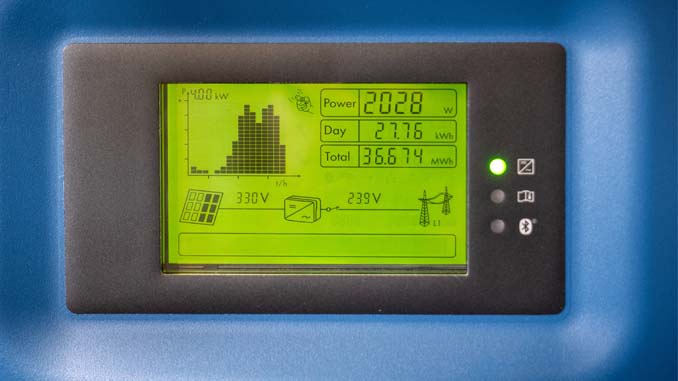
Solar power, a sustainable and environmentally friendly energy source, is a subject of growing interest among beginners looking to reduce their carbon footprint and energy bills. If you’re new to the world of solar power, this article will serve as a comprehensive guide to help you understand the basics and get started on your journey toward harnessing the sun’s energy.
Understanding Solar Power
At its core, solar power relies on the photovoltaic effect, where solar panels capture sunlight and convert it into electricity. Here’s a simplified overview of how it works:
Sunlight Capture: Solar panels, typically mounted on rooftops, capture sunlight using photovoltaic cells. These cells are made of semiconductor materials, usually silicon.
Electricity Generation: When sunlight hits the cells, it excites electrons in the semiconductor material, causing them to move and generate an electric current. This current is direct current (DC).

Inverter Conversion: Most of our electrical devices and appliances operate on alternating current (AC). To make the electricity compatible, an inverter is used to convert the DC into AC.
Energy Use Or Storage: The converted electricity can either be used immediately in your home or stored in batteries for later use, ensuring a constant supply of power even when the sun isn’t shining.
Advantages Of Solar Power For Beginners
Environmental Benefits: Solar power is a clean and renewable energy source. It produces no greenhouse gas emissions, reducing your carbon footprint and contributing to a healthier planet.
Lower Energy Bills: By generating your electricity, you’ll rely less on traditional utility providers, leading to significant savings on your energy bills.
Energy Independence: Solar panels provide a degree of energy independence. You’re less vulnerable to power outages and price fluctuations from utility companies.
Property Value: Homes with solar panels are often more appealing to buyers, potentially increasing the value of your property.
Government Incentives: Many governments offer financial incentives, tax credits, and rebates to promote solar adoption, making it a more affordable option.
Steps To Get Started
Energy Audit: Begin by conducting an energy audit of your home to assess your current energy consumption. This will help you determine the size and type of solar system you need.
Find A Reputable Solar Installer: Look for a reputable solar installation company to assess your property and design a solar system that suits your energy needs.
Permits And Approvals: Your solar installation provider will help you obtain the necessary permits and approvals to ensure your system complies with local regulations.
Installation: Once permits are secured, your solar panels and associated equipment will be installed on your property.
Connection To The Grid: Your solar system may be connected to the energy grid, allowing you to sell excess energy back to the grid or draw power from it when your system isn’t producing enough electricity.
Monitoring And Maintenance: After installation, your solar system will be monitored for optimal performance. Routine maintenance is essential to keep it operating efficiently.
Solar power is an accessible and eco-conscious choice for beginners looking to reduce their environmental impact and energy expenses. It not only benefits the environment but also your finances. As you embark on your solar power journey, consult with experts, take advantage of government incentives, and enjoy the satisfaction of contributing to a cleaner, more sustainable future. Going solar is not just a wise decision; it’s a step toward a brighter tomorrow.