A Brighter, Greener Future
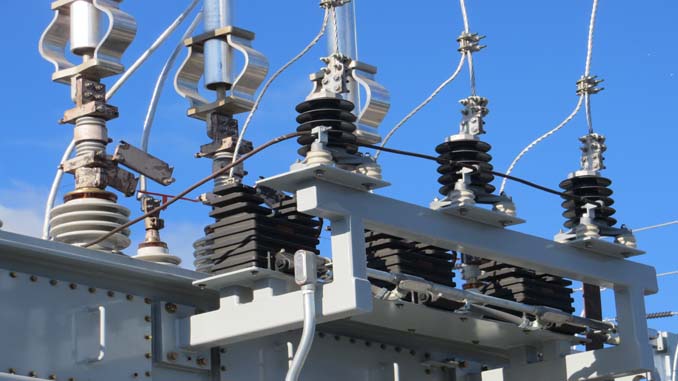
Energy efficiency is a critical component of our transition to a more sustainable and environmentally responsible world. It’s not only about reducing energy consumption but also about making the most of the energy we use. In this article, we’ll explore the importance of energy efficiency, its benefits, and how individuals and businesses can contribute to a brighter, greener future.
The Importance Of Energy Efficiency
Energy efficiency plays a pivotal role in addressing several pressing global issues:
Environmental Sustainability: Increasing energy efficiency helps reduce greenhouse gas emissions, mitigating the effects of climate change. It allows us to meet our energy needs with a smaller ecological footprint.
Resource Conservation: Efficient energy use preserves finite natural resources like coal, oil, and natural gas. It reduces the need for extensive mining and drilling, minimizing the negative environmental impact of resource extraction.
Cost Savings: For individuals and businesses, energy efficiency translates to lower energy bills. By reducing waste and optimizing energy consumption, you can significantly cut your energy costs.

The Benefits Of Energy Efficiency
Lower Energy Bills: Improved energy efficiency translates directly into lower energy bills for households and reduced operational costs for businesses. This means more money in your pocket and increased competitiveness for companies.
Environmental Conservation: Reduced energy consumption leads to lower emissions of greenhouse gases, making a substantial contribution to environmental preservation and combating climate change.
Energy Independence: Energy efficiency, when combined with renewable energy sources like solar and wind power, can lead to greater energy independence. Less reliance on non-renewable resources means more stability and control over your energy supply.
Enhanced Comfort And Productivity: Energy-efficient technologies often provide improved comfort and productivity. Well-insulated buildings, for example, offer better temperature control and noise reduction, making them more pleasant and conducive to work and relaxation.
Long-Term Investment: Energy-efficient upgrades, such as LED lighting, efficient appliances, and improved insulation, are long-term investments that pay for themselves over time through energy savings.
How To Achieve Energy Efficiency
Energy Audits: Start by conducting an energy audit of your home or business to identify areas where energy is being wasted. Professional auditors can pinpoint inefficiencies and recommend improvements.
Efficient Appliances: Replace old, energy-hungry appliances with newer, more energy-efficient models. Look for the ENERGY STAR label, which signifies high energy efficiency.
Insulation And Weatherization: Ensure your home or building is well-insulated and properly weatherized to prevent heat or cool air from escaping, reducing the need for heating or cooling.
LED Lighting: Replace incandescent and fluorescent lighting with energy-efficient LED bulbs, which use significantly less electricity and last longer.
Smart Technology: Utilize smart thermostats, energy management systems, and programmable timers to control energy consumption more effectively.
Renewable Energy: Consider installing solar panels or wind turbines to generate your electricity, reducing your reliance on conventional power sources.
Transportation Efficiency: Opt for energy-efficient vehicles and adopt eco-friendly driving habits to save on fuel and reduce emissions.
Energy efficiency is a crucial element in our journey toward a sustainable and environmentally responsible future. It not only benefits our wallets but also contributes to the preservation of our planet. By embracing energy-efficient practices and technologies, individuals and businesses can be part of the solution, working toward a brighter, greener future for all.