The Future Of Modern Living
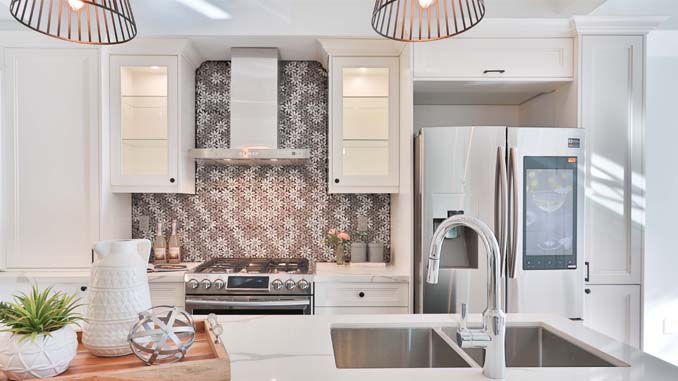
In the age of technological advancement, the concept of the smart home has become increasingly prevalent. A significant component of this smart home revolution is the integration of smart appliances. These intelligent devices are designed to simplify our lives, enhance convenience, and promote efficiency. This article explores the world of smart appliances, how they work, and the numerous benefits they offer in shaping the future of modern living.
What Are Smart Appliances?
Smart appliances are traditional household devices, such as refrigerators, ovens, washing machines, and even coffee makers, that are equipped with advanced technology and connectivity features. These features allow them to be remotely controlled and monitored through a smartphone app or voice-activated virtual assistants. Smart appliances can perform a wide range of functions, from adjusting settings to sending notifications and alerts.
Convenience And Efficiency
One of the most significant advantages of smart appliances is the level of convenience they bring to everyday tasks. Imagine being able to preheat your oven on your way home, so dinner is ready as soon as you arrive. Smart appliances enable you to control and monitor their functions from virtually anywhere, giving you more control over your daily routines.

Energy Efficiency And Cost Savings
Smart appliances are designed to be energy-efficient. They often include features like energy-saving modes, remote scheduling, and real-time consumption tracking. For instance, smart thermostats can learn your heating and cooling preferences and create optimized schedules, which not only improve comfort but also save on energy costs. Smart appliances not only benefit your wallet but also contribute to environmental sustainability.
Integration With Smart Homes
Smart appliances are designed to be compatible with other smart home devices and systems. They can seamlessly integrate with centralized home automation hubs, allowing you to control multiple devices from a single app or voice-activated virtual assistant. This interconnected ecosystem enhances the overall smart home experience.
Voice Control
Many smart appliances can be controlled via voice commands through virtual assistants like Amazon’s Alexa, Google Assistant, or Apple’s Siri. This feature adds an extra layer of convenience, allowing you to adjust settings or start tasks without needing to touch a button or screen.
Remote Monitoring And Alerts
Smart appliances often provide real-time notifications and alerts. For instance, a smart refrigerator can notify you when it’s time to replace the water filter, while a smart washer and dryer can send an alert when your laundry is done. This level of monitoring helps you stay on top of maintenance and household tasks.
Advanced Features
Smart appliances often come with advanced features and capabilities that go beyond their traditional counterparts. For example, a smart oven may offer recipe recommendations and guided cooking instructions, while a smart dishwasher can adjust its cleaning cycle based on the load’s dirtiness.
The Future Of Smart Appliances
As technology continues to advance, so does the potential for smart appliances. They are becoming more intuitive, responsive, and interconnected. With the advent of 5G technology and increased data processing capabilities, smart appliances will likely become even more integrated into our daily lives.
Smart appliances are more than just gadgets; they represent a fundamental shift in the way we interact with our homes. Their ability to enhance convenience, improve energy efficiency, and integrate with other smart devices makes them an integral part of the modern smart home. As we move forward, smart appliances are set to become increasingly prevalent, shaping the future of modern living with innovation, convenience, and sustainability at the forefront.