A Sustainable Future
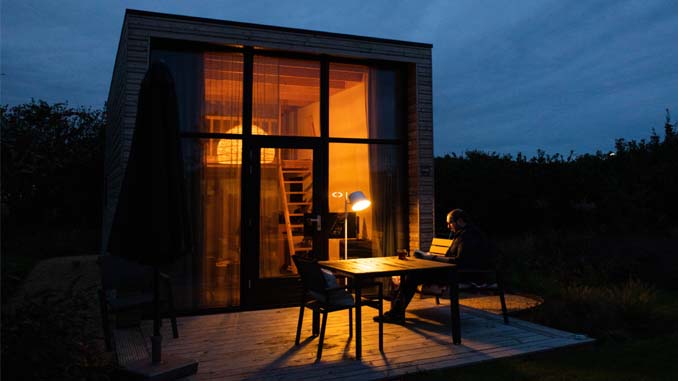
In a world increasingly focused on sustainability and environmental responsibility, the concept of environmentally friendly homes has gained significant traction. These homes are designed with a commitment to reducing their environmental footprint, promoting energy efficiency, and creating a healthier living environment for their occupants. In this article, we’ll explore what environmentally friendly homes are, their key features, and the benefits they offer for both homeowners and the planet.
Defining Environmentally Friendly Homes
Environmentally friendly homes, often referred to as eco-friendly or green homes, are constructed and operated with a focus on reducing their impact on the environment. These homes adopt a holistic approach to sustainability, addressing various aspects of the building’s design, construction, and operation. The goal is to minimize resource consumption, reduce energy usage, and limit greenhouse gas emissions.
Key Features Of Environmentally Friendly Homes
Energy Efficiency: Environmentally friendly homes prioritize energy efficiency through measures like well-insulated walls, roofs, and windows. They often incorporate high-efficiency heating and cooling systems and utilize energy-efficient lighting and appliances to reduce energy consumption.
Renewable Energy Sources: Many eco-friendly homes feature renewable energy sources such as solar panels, wind turbines, or geothermal heating and cooling systems. These technologies allow homeowners to generate their own clean energy and even feed excess energy back into the grid.
Water Efficiency: Water conservation is a critical component of environmentally friendly homes. Features like low-flow faucets, water-efficient appliances, and rainwater harvesting systems help reduce water consumption and lower utility bills.
Sustainable Materials: The construction of these homes often relies on sustainable and recycled materials, such as reclaimed wood, bamboo flooring, and recycled metal. This not only reduces the demand for new resources but also minimizes waste.
Indoor Air Quality: Environmentally friendly homes prioritize indoor air quality through the use of non-toxic and low-VOC (volatile organic compounds) paints and finishes. Additionally, efficient ventilation systems promote clean and healthy indoor air.
Natural Light And Passive Solar Design: Utilizing natural light through strategic window placement and passive solar design principles can reduce the need for artificial lighting and heating.
Landscaping And Outdoor Features: The landscaping surrounding these homes often includes native, drought-resistant plants, which require less water and maintenance. Additionally, rain gardens and permeable surfaces help manage stormwater runoff.
Benefits Of Environmentally Friendly Homes
Lower Utility Bills: Energy-efficient appliances, insulation, and renewable energy sources result in lower monthly utility bills, saving homeowners money in the long run.
Reduced Environmental Impact: Environmentally friendly homes help reduce greenhouse gas emissions, resource consumption, and water waste, contributing to a more sustainable planet.

Healthier Living Environment: Improved indoor air quality and the use of non-toxic materials create a healthier living space, reducing the risk of health issues associated with poor air quality.
Higher Property Values: Eco-friendly homes often have higher property values due to their energy efficiency and sustainable features.
Long-Term Savings: While the initial cost of building or retrofitting an environmentally friendly home can be higher, the long-term savings on energy and maintenance costs can outweigh the upfront investment.
Environmentally friendly homes represent a significant step towards a more sustainable and responsible way of living. They provide homeowners with a range of financial, environmental, and health benefits, while also contributing to a greener and more sustainable future. As awareness of the importance of environmental responsibility grows, the popularity of environmentally friendly homes is likely to continue rising, making them an integral part of the future of housing.