Innovations For A Sustainable Future
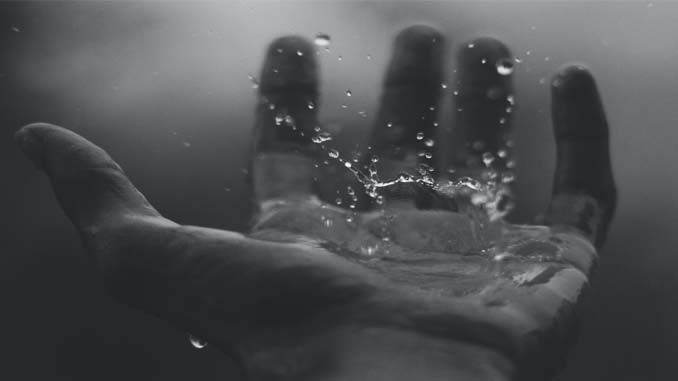
As the world grapples with growing concerns about water scarcity and resource management, innovative water-saving technologies have emerged as valuable tools to address these challenges. These technologies help reduce water consumption, promote efficient water use, and contribute to environmental sustainability. This article explores the significance of water-saving technologies, the various innovations in this field, and their potential impact on global water conservation efforts.
The Importance Of Water-Saving Technologies
Water is a finite and precious resource, and the need for water-saving technologies is underscored by several key factors:
Water Scarcity: Many regions worldwide face water scarcity, where the demand for water exceeds the available supply. This challenge is exacerbated by population growth, urbanization, and climate change.
Sustainability: Sustainable water management practices are crucial to ensure the long-term availability of clean water for future generations and to protect ecosystems that rely on water resources.
Efficiency: Efficient water use is not only environmentally responsible but also financially advantageous, as it leads to cost savings for individuals, businesses, and communities.

Water-Saving Technologies And Innovations
Low-Flow Fixtures: Low-flow faucets, showerheads, and toilets use innovative design and technology to reduce water consumption without sacrificing performance. These fixtures limit water flow while maintaining water pressure.
Smart Irrigation Systems: Advanced irrigation technologies use sensors and data analysis to optimize watering schedules and ensure that landscapes receive the right amount of water. This reduces water wastage from over-irrigation.
Greywater Recycling: Greywater systems capture and treat wastewater from sinks, showers, and washing machines, recycling it for non-potable uses such as toilet flushing or landscape irrigation.
Rainwater Harvesting Systems: Rainwater collection systems capture and store rainwater for various purposes, including outdoor use, flushing toilets, and even drinking water with proper treatment.
Wastewater Treatment And Reuse: Advanced wastewater treatment technologies can purify wastewater to a high standard, making it safe for reuse in various applications, including industrial processes and agricultural irrigation.
Leak Detection Technologies: Smart leak detection systems use sensors and data analysis to identify water leaks in real time, preventing water loss and property damage.
Water-Efficient Appliances: Modern washing machines, dishwashers, and water heaters are designed to use less water while maintaining their effectiveness, reducing water consumption in households.
The Significance Of Water-Saving Technologies
Water-saving technologies offer several key benefits:
Resource Conservation: These technologies help reduce water consumption, preserving finite freshwater resources for present and future generations.
Environmental Protection: By reducing water demand, these technologies contribute to the protection of aquatic ecosystems and the preservation of natural water bodies.
Financial Savings: Water-saving technologies can lead to reduced water bills for individuals, households, and businesses, making them financially appealing.
Energy Efficiency: Efficient water use also results in lower energy consumption, as less energy is required for water treatment and distribution.
Climate Resilience: In the face of climate change and shifting weather patterns, water-saving technologies help build resilience against droughts and water scarcity.
Water-saving technologies represent a crucial component of sustainable water management and resource conservation. As these technologies continue to advance and become more accessible, they play an integral role in addressing global water challenges. By embracing water-saving innovations and fostering a culture of responsible water use, we can contribute to a more sustainable and water-secure future, all while protecting one of our most precious resources.