A Sustainable Solution For Water Scarcity
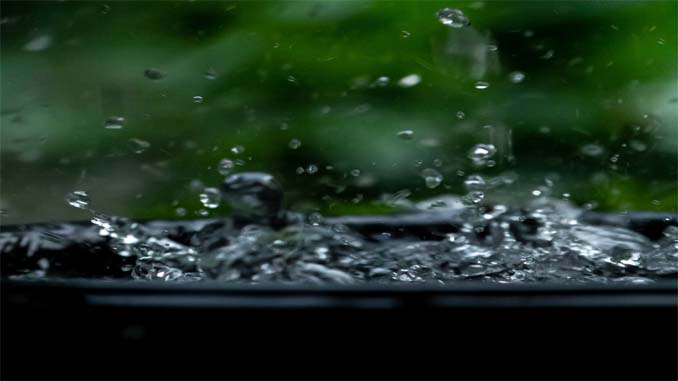
In an era marked by growing environmental concerns and increasing demands on our planet’s resources, rainwater conservation stands out as a sustainable and practical solution to address the ever-looming issue of water scarcity. This age-old practice involves the collection, storage, and utilization of rainwater for various purposes, offering a multitude of environmental and economic benefits.
The Importance Of Rainwater Conservation
Water scarcity is a pressing global concern that affects millions of people, ecosystems, and industries. Many regions of the world are already experiencing the detrimental effects of water shortages, which can lead to droughts, crop failures, and even conflicts over dwindling water resources. Rainwater conservation addresses this issue by harnessing a natural resource that often goes underutilized.

The Collection Process
Rainwater conservation typically begins with the collection of rainwater from rooftops, pavements, or other surfaces. This water, known as runoff, is channeled through gutters and downspouts into storage tanks or cisterns. The collected rainwater can then be filtered and treated to make it suitable for various non-potable uses, such as watering gardens, flushing toilets, and washing vehicles. In some cases, rainwater can even be purified for drinking, further reducing the demand on municipal water supplies.
Environmental Benefits
One of the primary advantages of rainwater conservation is its positive impact on the environment. By capturing rainwater, we reduce the burden on natural water sources, such as rivers and lakes. This, in turn, helps protect aquatic ecosystems and maintains their biodiversity. Moreover, rainwater harvesting reduces soil erosion and minimizes the risk of flooding, as it diverts rainwater away from stormwater drainage systems.
Economic Benefits
Rainwater conservation also provides significant economic benefits. By using rainwater for non-potable purposes, homeowners and businesses can reduce their water bills, resulting in cost savings. In addition, governments and municipalities can save on infrastructure costs associated with water treatment and distribution.
Sustainable Urban Development
Rainwater conservation is especially relevant in urban areas, where impervious surfaces like concrete and asphalt prevent rainwater from seeping into the ground. As a result, urban areas often experience increased runoff and flooding. Implementing rainwater harvesting systems in cities can help manage stormwater and enhance sustainable urban development. Rooftop rainwater collection systems, for example, can be seamlessly integrated into building designs, providing an eco-friendly water source for landscaping and cooling systems.
Promoting Rainwater Conservation
To promote rainwater conservation, governments, non-profit organizations, and educational institutions can play a crucial role. They can provide incentives, rebates, or tax credits for installing rainwater harvesting systems, making it more affordable for individuals and businesses to adopt these practices. Public awareness campaigns can also educate people about the importance of rainwater conservation and how to implement it effectively.
Rainwater conservation offers a sustainable and eco-friendly approach to water management that addresses the critical issue of water scarcity. By reducing the reliance on traditional water sources, rainwater harvesting not only benefits the environment but also provides economic advantages to individuals and communities. As we face the challenges of a changing climate and increasing water demands, embracing rainwater conservation practices is a step toward a more sustainable and water-secure future.