Building A Brighter Future Together
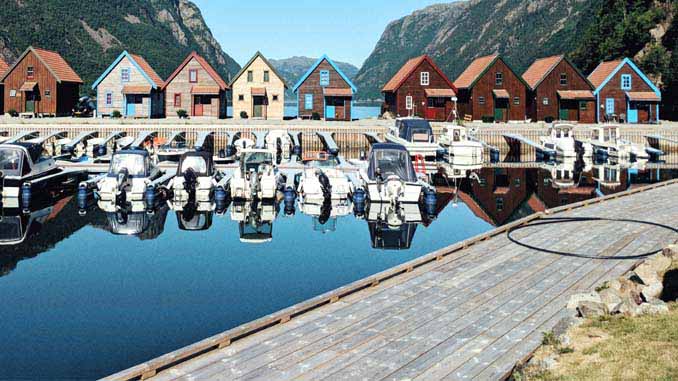
Sustainable communities are the embodiment of a vision for a more environmentally conscious, socially inclusive, and economically resilient future. They represent a proactive response to the pressing global challenges of climate change, resource depletion, and social inequality. These communities are designed with the principles of sustainability and resilience at their core, emphasizing harmonious coexistence with the environment and fostering a sense of belonging and well-being among residents.
Key Principles Of Sustainable Communities:
Environmental Sustainability: At the heart of sustainable communities is a commitment to reducing their environmental footprint. This involves adopting eco-friendly construction and infrastructure, implementing energy-efficient technologies, reducing waste, and practicing sustainable land use.
Community Engagement: Sustainable communities prioritize community engagement and participation in decision-making processes. Residents actively contribute to the development and management of their community, fostering a sense of ownership and responsibility.

Social Equity: Social equity is a key component of sustainability. Sustainable communities aim to be inclusive and equitable, promoting equal access to resources, opportunities, and services for all residents, regardless of background or socioeconomic status.
Economic Resilience: Building economic resilience is crucial. Sustainable communities often emphasize local economies, supporting small businesses and initiatives that create jobs and enhance economic stability.
Eco-Friendly Transportation: Sustainable communities prioritize alternative transportation options such as cycling, walking, and public transit to reduce dependence on fossil fuels and lower carbon emissions.
Energy Efficiency: Implementing energy-efficient technologies and renewable energy sources, such as solar panels and wind turbines, helps reduce energy consumption and dependence on non-renewable resources.
Benefits Of Sustainable Communities:
Reduced Environmental Impact: Sustainable communities actively reduce their environmental impact by promoting eco-conscious practices, reducing energy consumption, and minimizing waste.
Improved Quality Of Life: Residents of sustainable communities often report an improved quality of life, with access to green spaces, clean air, and a strong sense of community.
Resilience: Sustainable communities are better equipped to face challenges, whether they be natural disasters, economic downturns, or environmental crises. They have the structures in place to adapt and recover.
Economic Opportunities: The focus on local economies and sustainable practices can create economic opportunities, supporting businesses, jobs, and the well-being of residents.
Community Building: Sustainable communities foster strong bonds among residents, who share common values and work together toward a shared vision of sustainability.
Resource Efficiency: These communities often emphasize efficient resource use, from water conservation to responsible waste management.
Challenges And Considerations
Creating sustainable communities is not without its challenges. Balancing economic growth with environmental preservation, ensuring affordable housing, and addressing social inequalities can be complex issues. However, these challenges also present opportunities for innovation and collaboration.
Sustainable communities embody a vision for a more harmonious, resilient, and sustainable future. By adopting eco-conscious practices, engaging residents in community decision-making, and fostering social equity, these communities set an example for more responsible living in an era of environmental and social challenges. As the world faces the imperatives of climate change and resource sustainability, sustainable communities offer a path forward toward a more resilient, inclusive, and environmentally responsible way of life.