Building Sustainable Communities
For A Better Future
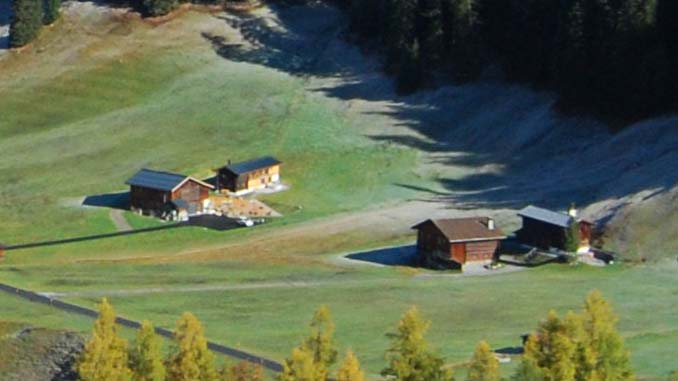
In a world increasingly focused on environmental sustainability and community well-being, the concept of eco-villages has gained significant attention. An eco-village is a community designed with the principles of ecological and social sustainability at its core. These intentional communities prioritize low environmental impact, self-sufficiency, and a strong sense of connection among residents. Here, we explore the principles and benefits of eco-villages.
Principles Of Eco-Villages:
Sustainability: Eco-villages are built on principles of sustainability. This encompasses eco-friendly housing, renewable energy sources, and a focus on reducing waste and energy consumption. Sustainable farming and food production are also key elements, with many eco-villages aiming to be self-sufficient in terms of food.
Low Environmental Impact: These communities strive to have a minimal impact on the environment. This often means eco-friendly construction, waste reduction and recycling, sustainable water management, and the use of renewable energy sources like solar panels or wind turbines.
Community And Connection: A strong sense of community is a hallmark of eco-villages. Residents often engage in decision-making processes together and foster a culture of shared responsibility. This sense of connection promotes social well-being and harmony.
Education And Learning: Many eco-villages emphasize learning and education, particularly in the areas of sustainability and eco-conscious practices. Workshops, seminars, and communal learning opportunities are common.
Cultural And Artistic Expression: Creativity and cultural expression often flourish in these communities, with residents embracing arts, music, and cultural activities that promote a sense of belonging and fulfillment.
Benefits Of Eco-Villages:
Environmental Stewardship: Eco-villages are on the forefront of environmental stewardship. By living in a sustainable, low-impact manner, residents reduce their ecological footprints and serve as models for sustainable living for the broader community.
Sustainable Living: These communities demonstrate that it is possible to live a comfortable and fulfilling life while minimizing environmental impact. They showcase the practicality of eco-conscious technologies and practices.
Strong Social Bonds: Eco-villages prioritize strong social bonds and a sense of community. Residents often share responsibilities, resources, and a commitment to a shared vision. This enhances the overall well-being of community members.
Personal Fulfillment: The focus on creativity and cultural expression in eco-villages fosters personal fulfillment and a sense of purpose. Residents can explore their passions and talents within a supportive environment.

Education And Knowledge Sharing: Eco-villages serve as centers for education and knowledge sharing. They host workshops, offer sustainable living training, and provide resources for residents and visitors alike to learn about eco-conscious practices.
Resilience And Self-Sufficiency: These communities often emphasize resilience by being self-sufficient in terms of food, water, and energy. This can be vital in times of external stress, such as economic downturns or natural disasters.
Eco-villages offer an inspiring vision for the future, demonstrating that sustainable, community-centered living is not just an ideal but a practical and attainable reality. They act as microcosms of the changes needed to address today’s environmental challenges and promote a more harmonious, interconnected way of life. As society continues to grapple with ecological issues and the importance of strong, supportive communities, eco-villages provide a compelling model for a better, more sustainable future.