The Power Of Precision Agriculture
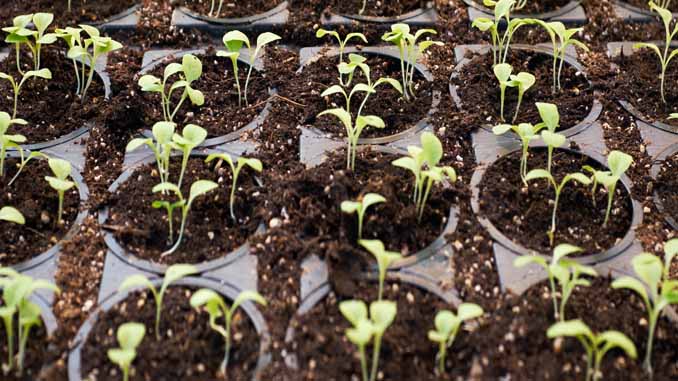
Precision agriculture, also known as precision farming or smart farming, has transformed the landscape of traditional farming practices. It harnesses cutting-edge technology, data analytics, and a deep understanding of agronomy to optimize every aspect of crop and livestock production. In this article, we’ll delve into the world of precision agriculture, exploring its benefits, technologies, and the significant role it plays in ensuring food security and environmental sustainability.
Defining Precision Agriculture
Precision agriculture is an innovative approach to farming that utilizes technology to precisely manage resources and make data-driven decisions throughout the agricultural process. It involves the application of various technologies, including satellite imagery, GPS systems, sensors, and data analytics, to monitor and control the variables affecting crop growth, animal husbandry, and farm operations.
Maximizing Resource Efficiency
One of the primary objectives of precision agriculture is to maximize the efficient use of resources. By collecting and analyzing data on soil health, weather conditions, and crop performance, farmers can make informed decisions regarding irrigation, fertilization, and pest control. This not only results in cost savings but also reduces the environmental impact of farming by minimizing the use of water, energy, and chemicals.
Data-Driven Decision Making
The heart of precision agriculture is data. Farmers collect a wealth of information from various sources, such as drones, sensors, and satellite imagery. This data is then processed and analyzed to provide valuable insights. These insights enable farmers to tailor their actions to the specific needs of their fields, crops, or livestock. For example, sensors can monitor soil moisture levels, helping farmers determine when and where to irrigate, while drones can provide a bird’s-eye view of crop health, allowing for targeted interventions.

Enhancing Crop Yield And Quality
Precision agriculture has a direct impact on crop yield and quality. By ensuring that crops receive the precise amount of water, nutrients, and care they need, farmers can significantly increase production. Moreover, by minimizing stressors such as pests and diseases through early detection and targeted treatments, crop quality improves, reducing the need for post-harvest chemicals and additives.
Sustainability And Environmental Benefits
Sustainability is a core principle of precision agriculture. By reducing the unnecessary use of resources, precision agriculture minimizes the environmental footprint of farming. This not only benefits the environment but also meets the growing demand for eco-friendly and responsible farming practices. Precision agriculture also reduces soil erosion, water pollution, and greenhouse gas emissions.
Challenges And Future Prospects
While precision agriculture offers tremendous benefits, it is not without its challenges. The initial investment in technology and training can be substantial, and data privacy and security are concerns that need to be addressed. Furthermore, not all farmers have equal access to the technology or the knowledge required to implement precision agriculture practices.
Looking to the future, precision agriculture is expected to continue evolving. Emerging technologies, like artificial intelligence and machine learning, will enhance the accuracy and efficiency of decision-making processes. The integration of automated machinery and robotics will also reduce labor demands while increasing the precision of farm operations.
Precision agriculture is more than a farming practice; it’s a revolution in how we produce food. By harnessing the power of data and technology, it not only increases productivity and profitability but also promotes environmental sustainability. As precision agriculture continues to advance, it promises to play a pivotal role in ensuring food security for our growing global population while preserving the planet for future generations.