The Art Of Seed Selection
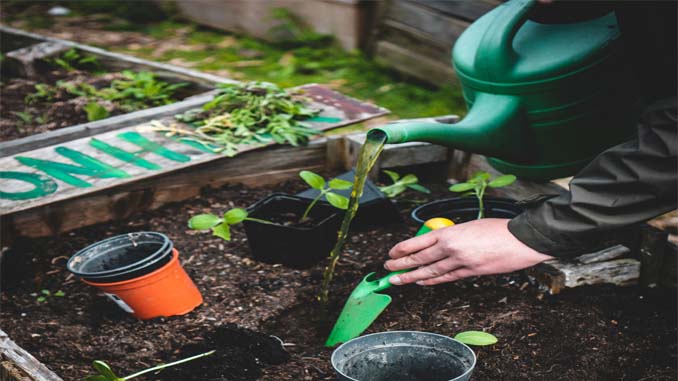
Gardening is a rewarding journey that begins with a single choice: selecting the right seeds. The success of your garden depends on the seeds you sow, making seed selection a critical and exciting step in the process. Whether you’re a seasoned gardener or a beginner, understanding the nuances of choosing the right seeds is essential for cultivating a flourishing garden.
The Importance Of Seed Selection
Seed selection sets the stage for your entire gardening experience. The seeds you choose determine the types of plants you’ll grow, their characteristics, and ultimately, the quality and quantity of your harvest. It’s not just about picking any seed; it’s about making informed choices to align with your garden’s goals and your personal preferences.
Consider Your Garden’s Goals
Before you dive into the world of seed catalogs, take a moment to consider the goals for your garden. Are you interested in growing vegetables, herbs, flowers, or a combination of these? Are you aiming for a bountiful harvest, stunning aesthetics, or both? Understanding your garden’s purpose will help you make the right seed selections.
Open-Pollinated vs. Hybrid Seeds
One of the primary choices you’ll encounter is between open-pollinated and hybrid seeds. Open-pollinated seeds are the result of natural pollination and breeding. They tend to be more stable and reproduce true to type, meaning that the offspring will resemble the parent plant.
On the other hand, hybrid seeds are the result of controlled cross-breeding between two different parent plants. They often exhibit desirable traits like disease resistance or improved yield. However, saving seeds from hybrid plants may not produce consistent results in the next generation.
Choosing Varieties
When selecting seeds, you’ll have numerous varieties to choose from. Consider factors like:
Climate Suitability: Choose varieties that are well-suited to your local climate and growing conditions.
Growth Habit: Some plants have determinate growth (bushy and compact) while others have indeterminate growth (vining). Select according to your space and support availability.
Days To Maturity: Different varieties have varying maturity periods. Some mature quickly, while others take longer. Plan your garden timeline accordingly.

Disease Resistance: Look for varieties that are resistant to common pests and diseases in your area to reduce the need for chemical interventions.
Flavor And Appearance: Consider the taste and appearance of vegetables and fruits. After all, the end product should meet your culinary and aesthetic preferences.
Quality Matters
It’s essential to purchase seeds from reputable sources. Well-established seed companies offer seeds that are more likely to be true to type, have high germination rates, and have been stored properly. When shopping for seeds, pay attention to the seed packets for information on planting depth, spacing, and care instructions.
Diversity And Experimentation
Don’t be afraid to diversify your garden by trying new varieties each season. Experimenting with different plants can lead to exciting discoveries and keep your gardening experience fresh and engaging.
Seed selection is the gateway to a successful garden. The choice of seeds sets the stage for your gardening journey, and it’s a decision that should be made thoughtfully. By considering your garden’s goals, choosing the right types of seeds, and paying attention to the specific varieties that align with your preferences and local conditions, you’re well on your way to nurturing a garden that will thrive and provide you with the satisfaction and rewards of homegrown produce and beautiful blooms.