The Power Of Gardening Communities
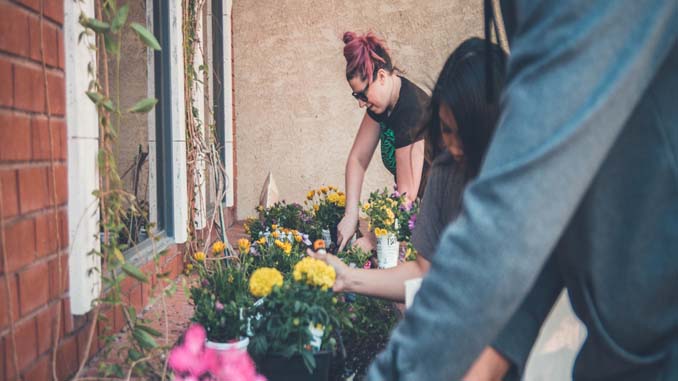
Gardening is a solo endeavor for many, but it’s also an activity that thrives on community and shared knowledge. Gardening communities, whether in the form of local gardening clubs, online forums, or neighborhood co-op gardens, offer numerous benefits beyond the joys of nurturing plants. In this article, we’ll explore the significance of gardening communities and the advantages of being a part of one.
1. Shared Knowledge And Expertise: Gardening communities provide a wealth of knowledge and expertise. Seasoned gardeners often share their experiences, offering tips and guidance to beginners. This collective wisdom helps members navigate the challenges of gardening, from plant selection to pest control, and accelerates their learning process.
2. Problem Solving: When faced with a gardening challenge, whether it’s a mysterious pest infestation or a stubborn weed problem, being part of a gardening community means you have a network of fellow gardeners to turn to for solutions. Together, members can brainstorm ideas and offer practical advice.
3. Seed And Plant Swaps: Gardening communities frequently organize seed and plant swaps. These events are excellent opportunities to acquire new and interesting plant varieties and share your own surplus plants with fellow gardeners. Such swaps promote diversity and provide access to rare and heirloom plants.
4. Collaboration: In some gardening communities, members collaborate on group projects or communal gardens. These shared spaces allow for the cultivation of larger and more diverse gardens than what individual gardeners might achieve alone. Collaborative efforts can result in flourishing, bountiful gardens that benefit everyone involved.
5. Social Interaction: Gardening is a solitary activity for many, but being part of a gardening community can alleviate the isolation. Whether you’re participating in a local club’s meetings or engaging in online discussions, these interactions offer the chance to connect with like-minded individuals who share your passion for plants and the outdoors.
6. Garden Tours And Events: Gardening communities often organize garden tours and events where members can visit one another’s gardens, exchange ideas, and celebrate each other’s successes. These events can be a source of inspiration and an opportunity to appreciate the beauty of different gardening styles.
7. Mentorship: Experienced gardeners within a community often take on mentorship roles, guiding newcomers in the art and science of gardening. Mentorship fosters a sense of continuity and tradition, passing down knowledge from one generation of gardeners to the next.
8. Support And Encouragement: Gardening can be a challenging and occasionally frustrating endeavor. Gardening communities provide emotional support and encouragement during times of setbacks. Members understand the triumphs and tribulations of gardening, offering a sense of camaraderie.

Joining A Gardening Community:
If you’re interested in becoming a part of a gardening community, consider these steps:
Research Local Clubs: Search for gardening clubs or groups in your area. Local botanical gardens, community centers, and nurseries may have information on nearby organizations.
Online Communities: Explore online gardening forums and social media groups, where you can connect with gardeners from around the world. Websites like GardenWeb, Houzz, and Facebook groups are popular platforms.
Attend Events: Participate in gardening-related events, workshops, or garden tours to meet fellow gardeners in person.
Share Your Knowledge: Once you’re part of a community, share your own experiences and knowledge. The reciprocal exchange of ideas is at the heart of gardening communities.
Gardening communities offer a sense of belonging, mutual support, and the chance to grow as a gardener through shared experiences and knowledge. Whether you’re a novice or a seasoned gardener, the power of a gardening community can enrich your gardening journey in numerous ways.