From Neglect To Paradise
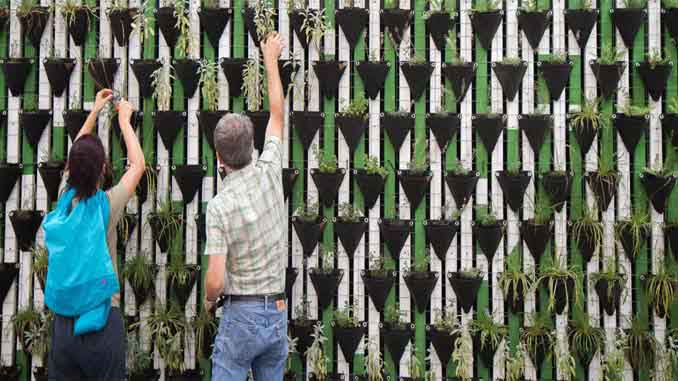
Gardens have the remarkable ability to evolve and transform over time. Neglected or underutilized outdoor spaces can be turned into vibrant, welcoming paradises with a little creativity and effort. In this article, we’ll explore the journey of garden transformation and the steps to take to turn your neglected garden into a place of beauty and serenity.
Assessment And Planning: The first step in any garden transformation is a thorough assessment of your space. Take a critical look at your garden, considering factors such as the current state of the plants, soil quality, layout, and potential issues like drainage problems. This assessment will help you identify the areas that need the most attention and guide your planning.
Clearing And Cleaning: For many neglected gardens, the first order of business is clearing away overgrown vegetation, weeds, and debris. This is the blank canvas upon which your transformation will unfold. Prune unruly branches, remove dead plants, and clear the ground to prepare it for new growth.
Soil Improvement: Healthy soil is the foundation of any successful garden. Assess your soil’s condition and amend it as necessary. Adding organic matter like compost or well-rotted manure can improve soil structure and fertility, ensuring your plants have the nutrients they need to thrive.
Plant Selection: Choose plants that are well-suited to your local climate and growing conditions. Consider a mix of annuals, perennials, shrubs, and trees for a balanced and visually appealing garden. You can also incorporate native plants, which are adapted to the area and require less maintenance.

Garden Layout And Design: Carefully plan the layout of your garden. Consider elements like pathways, seating areas, and focal points. Create a design that not only enhances the beauty of your space but also ensures practicality and ease of maintenance.
Hardscape Elements: Incorporate hardscape elements like stone pathways, decorative walls, or patios to add structure and functionality to your garden. These features can create focal points and define different areas within the garden.
Proper Planting: When planting your chosen flora, be sure to give each plant the space it needs to grow. Pay attention to spacing, depth, and proper watering. Consider creating groupings of plants with complementary colors and textures to add visual interest.
Irrigation And Maintenance: Efficient irrigation is crucial to the health of your plants. Consider a drip irrigation system or soaker hoses to ensure consistent and controlled watering. Regular maintenance, including pruning, weeding, and mulching, will keep your garden looking its best.
Garden Accents And Decor: Garden transformation often includes the addition of decorative elements such as garden art, statues, or bird feeders. These accents can add personality and charm to your outdoor space.
Sustainability And Eco-Friendliness: As you work on your garden transformation, consider sustainable practices like composting, using natural pest control methods, and incorporating eco-friendly features such as rain barrels to collect and conserve water.
Patience And Enjoyment: Garden transformation takes time, so be patient and enjoy the process. Over the weeks and months, you’ll witness your garden flourish and become a place of beauty and tranquility.
A neglected garden can be a hidden gem waiting to be uncovered. With careful planning, diligent effort, and a bit of creativity, you can transform your outdoor space into a paradise where you can relax, connect with nature, and enjoy the beauty of your garden for years to come.