Crafting The Foundations Of A Creative Journey
Embarking on a journey into the world of woodworking as a beginner can be both exciting and rewarding. Whether your goal is to create functional pieces of furniture or to express your creativity through artistic woodworking, this article will guide you through the essential aspects of woodworking for beginners.
Starting With The Basics: For newcomers to woodworking, it’s crucial to begin with the basics. Before you can create intricate pieces, you must learn about the tools, materials, and techniques involved. Understanding the fundamentals of woodworking is akin to laying a strong foundation for a successful and enjoyable journey.
Safety First: Safety is paramount in woodworking. As a beginner, familiarize yourself with the proper use of safety gear, such as safety glasses, ear protection, and dust masks. You should also learn how to use tools safely, including saws, chisels, and drills, to avoid accidents and injuries.
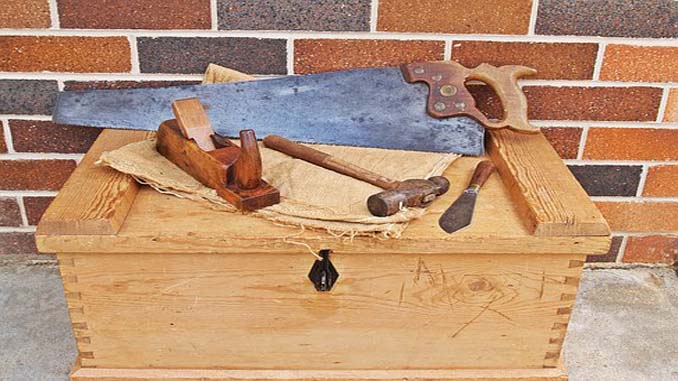
Tools Of The Trade: Every woodworker, regardless of their skill level, relies on a set of essential tools. As a beginner, you’ll want to start with the basics, which may include a saw, chisels, a mallet, a tape measure, a square, and clamps. Over time, you can gradually expand your tool collection as your skills progress.
Selecting Your Wood: Choosing the right type of wood is a critical step in any woodworking project. Beginners often opt for softwoods like pine or cedar because they are easier to work with and more forgiving to mistakes. As you gain experience, you can explore the use of hardwoods like oak, maple, and cherry.

Learning The Art Of Joinery: Joinery is the technique of connecting two pieces of wood to form a strong, lasting bond. As a beginner, start with basic joinery methods such as butt joints, lap joints, and dowels. As you become more skilled, you can delve into more complex joinery, such as mortise and tenon or dovetail joints.
Practicing Patience: Woodworking requires patience. It’s essential to approach each project with a willingness to learn from your mistakes and take your time to ensure precision. The journey is as important as the final product, and each project you complete will build your skills and confidence.
Planning And Design: Before you make your first cut, sketch out your project and create a detailed plan. Planning helps you visualize the end result and minimizes errors during the construction process. Additionally, consider investing in or creating project templates to guide your work.
Guidance And Resources: Don’t hesitate to seek guidance and resources. There are many woodworking books, online tutorials, and woodworking communities that offer invaluable advice and support for beginners. Learning from experienced woodworkers can help you avoid common pitfalls and accelerate your learning curve.
Start Simple: Begin with simple projects. Create a small bookshelf, a wooden box, or a picture frame. These uncomplicated projects will help you become comfortable with the tools and techniques without feeling overwhelmed.
Woodworking for beginners is an exciting endeavor that offers both practical skills and creative expression. By focusing on safety, learning the fundamentals, and gradually building your expertise, you can embark on a fulfilling journey into the world of woodworking. Remember that every masterpiece begins with a single step, and with each project, you’ll inch closer to creating more intricate and beautiful woodworking creations.