Nurturing Nature And Your Garden
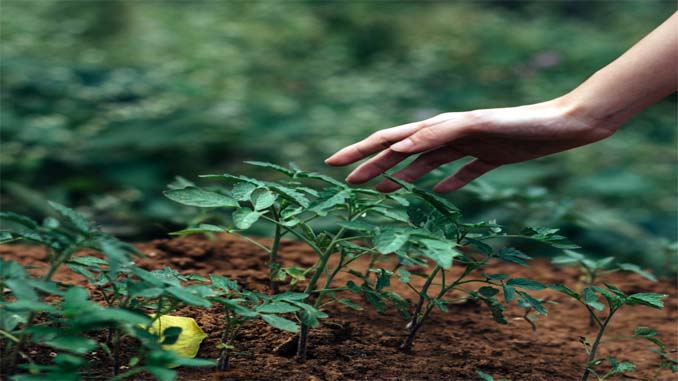
As the world increasingly emphasizes sustainability and eco-conscious practices, gardening enthusiasts are turning their attention to sustainable herb cultivation. It’s not just about growing flavorful and aromatic herbs; it’s about doing so in a way that respects the environment and promotes the well-being of all living creatures. In this article, we will explore the principles of sustainable herb cultivation and how it benefits both your garden and the planet.
The Essence Of Sustainability In Herb Cultivation
Sustainable herb cultivation involves growing herbs in a manner that minimizes environmental impact, conserves resources, and promotes long-term garden health. This approach takes into consideration the entire lifecycle of the garden, from planting and maintenance to harvest and beyond.
Sustainable Herb Cultivation Practices
Organic Gardening: The foundation of sustainability in herb cultivation is organic gardening. Avoid synthetic pesticides and fertilizers, opting instead for natural and organic alternatives. This practice ensures that your herbs are free from harmful chemicals.
Water Conservation: Use water wisely by installing efficient irrigation systems like drip hoses or soaker hoses. Collect rainwater for irrigation to reduce dependence on municipal water supplies.
Composting: Create your compost heap to recycle kitchen scraps and garden waste. Compost enriches the soil, reduces the need for synthetic fertilizers, and minimizes landfill waste.
Crop Rotation: Implement crop rotation techniques to prevent soil depletion and minimize the risk of herb-specific diseases. Rotating herbs within your garden beds maintains soil health and vitality.
Beneficial Insects: Attract and support beneficial insects like ladybugs, bees, and butterflies. These insects help with pollination and natural pest control in your herb garden.

Mulching: Apply organic mulch, such as straw or shredded leaves, to conserve soil moisture, suppress weeds, and maintain a stable soil temperature.
Native Plants: Integrate native plants into your herb garden, which require less maintenance and provide habitat for local wildlife.
Seed Saving: Save seeds from your herbs for future planting. This reduces the need to purchase seeds, promotes genetic diversity, and preserves heirloom varieties.
The Benefits Of Sustainable Herb Cultivation
Environmental Stewardship: Sustainable herb cultivation reduces the use of synthetic chemicals and conserves resources, contributing to the well-being of the planet.
Healthier Herbs: Herbs grown sustainably are healthier and often more flavorful, as they are not exposed to chemical residues.
Long-Term Garden Viability: By nurturing the soil and ecosystem in your herb garden, you ensure its long-term viability and productivity.
Cost-Efficiency: Sustainable practices can reduce the need for costly chemical inputs, making herb cultivation more budget-friendly.
Biodiversity: Encouraging a diverse range of plants and beneficial insects promotes biodiversity, which is essential for a thriving garden ecosystem.
Sustainable herb cultivation is not only a responsible choice but also a rewarding and fruitful one. By following eco-conscious practices in your herb garden, you can contribute to the preservation of the environment while enjoying the many benefits of growing your herbs. The sustainable herb cultivation journey allows you to be in harmony with nature, savor the fruits of your labor, and promote a healthier planet for future generations. So, why not embark on this sustainable gardening journey and see your herb garden thrive while nurturing the Earth?