From Seed To Harvest
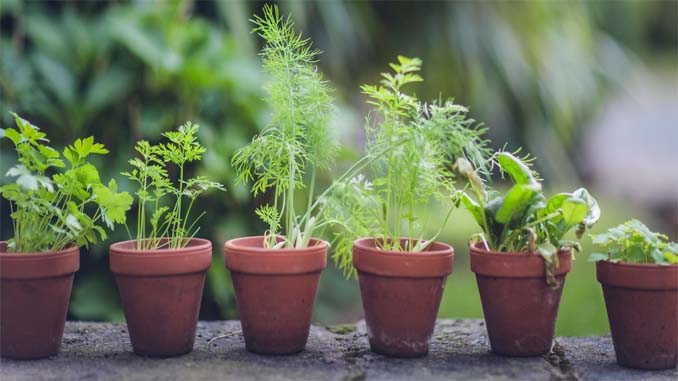
Growing herbs can be a deeply satisfying and aromatic experience, whether you have a green thumb or are just starting your gardening journey. To successfully cultivate a thriving herb garden, it’s essential to understand various herb growing techniques. In this article, we will delve into the key techniques you need to know to nurture your herbs from seed to harvest.
Selecting Your Herbs
The first step in any herb growing adventure is selecting the herbs you want to cultivate. Consider your climate, available space, and personal preferences when making your choices. Common choices include basil, rosemary, mint, thyme, oregano, and cilantro, but there are countless other options to explore.
Starting From Seeds Or Transplants
Herb cultivation often begins by deciding whether to start from seeds or transplants. Starting from seeds offers more variety and can be more cost-effective, but it requires patience and a longer growing season. Transplants, on the other hand, provide a head start and are a good option for beginners or those with shorter growing seasons.
Soil Preparation
Prepare the soil by ensuring it is well-draining and rich in organic matter. Herbs generally prefer slightly alkaline soil with good aeration. To improve soil quality, incorporate compost or well-rotted organic matter.
Planting Techniques
When planting herbs, pay attention to spacing. Different herbs have varying requirements for space between plants. Proper spacing allows air circulation and minimizes the risk of disease.
Watering And Drainage
Watering is a critical aspect of herb growing. Most herbs prefer well-drained soil, so avoid overwatering, which can lead to root rot. Water deeply but less frequently, allowing the soil to dry out between watering sessions.
Sunlight Requirements
Herbs love sunlight, so make sure your garden receives at least 6 to 8 hours of direct sunlight per day. If you’re growing herbs indoors, consider providing supplemental light with grow lights.

Pruning And Pinching
Regular pruning and pinching are key techniques for encouraging bushier growth and better flavor. Pinching the tips of the branches or cutting back leggy growth can stimulate new growth and prevent the herbs from becoming too woody.
Pest Management
Herbs are generally hardy, but they can still fall victim to pests and diseases. Consider natural pest control methods like companion planting or introducing beneficial insects like ladybugs. Inspect your plants regularly and address issues promptly.
Harvesting Techniques
Knowing when and how to harvest your herbs is crucial. Harvest in the morning when the essential oils are at their peak, and use sharp scissors or shears to make clean cuts. Be sure to avoid removing more than a third of the plant at a time to ensure continued growth.
Preserving Herbs
To enjoy your herbs beyond the growing season, consider preserving them. Popular methods include drying, freezing, making herb-infused oils or vinegars, and using herbs in homemade herbal teas.
Mastering herb growing techniques is a rewarding endeavor that allows you to savor the freshest, most flavorful herbs in your culinary creations. Whether you’re a seasoned gardener or just beginning to explore the world of herb cultivation, understanding these techniques will help you nurture a thriving and aromatic herb garden. Experiment with different herbs and techniques to discover the joy of growing and using your own homegrown herbs.