The Artistry In Every Stitch
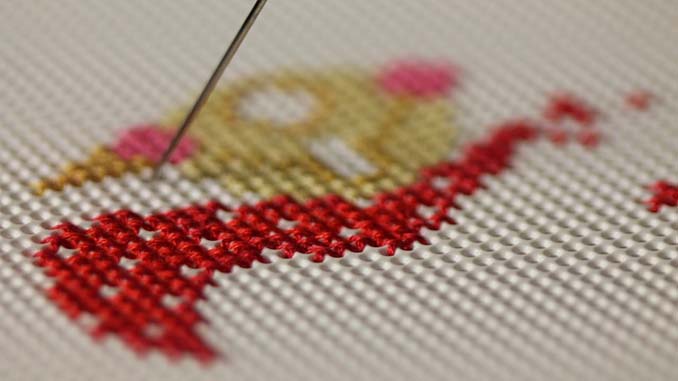
Threadwork techniques encompass a wide spectrum of artistic and skillful endeavors that revolve around the use of threads to create intricate and visually stunning designs. Whether you’re working with a needle and thread, embroidery hoop, or a sewing machine, these techniques are a testament to human creativity, patience, and dedication.
The Versatility Of Threadwork Techniques: Threadwork techniques include embroidery, quilting, appliqué, cross-stitch, and various other forms of stitching. These crafts can be found in various cultures worldwide, each carrying its unique heritage and traditions. While their purposes may vary, the unifying factor is the transformative power of threads in turning plain fabrics into works of art.
Embroidery: Embroidery is one of the most widely recognized forms of threadwork. It involves the use of decorative stitches to create intricate designs on fabric. Whether it’s delicate floral patterns on a handkerchief or intricate motifs on a bridal gown, embroidery adds beauty, texture, and personality to textiles. Techniques like satin stitch, chain stitch, and crewelwork enable artists to create a myriad of effects, from raised surfaces to smooth, flowing lines.

Quilting: Quilting is a technique that marries practicality and artistry. Quilts are made by stitching layers of fabric together, often with intricate patterns. Traditional quilt designs tell stories and are passed down through generations. Quilting stitches can be simple or highly detailed, adding depth and warmth to these cherished heirlooms.
Cross-Stitch: Cross-stitch is known for its precise, grid-based patterns created by “X” stitches. It is a popular choice for decorative items like samplers and personalized gifts. The process is meditative, requiring attention to detail and precision in every stitch.
Appliqué: Appliqué is the art of attaching smaller pieces of fabric onto a larger base to create images, patterns, or designs. This technique can be found in quilting, clothing, and decorative textiles. Appliqué often involves intricate stitching to secure the fabric pieces and add embellishments.
Thread Painting: Thread painting is a technique that mimics the strokes of a painter’s brush with colored threads. Artists use varying thread densities and colors to create detailed images on fabric. The result is a stunning visual masterpiece.
Modern Innovation: Threadwork techniques have also embraced modern technology. Computerized embroidery machines allow for intricate and repetitive designs with precision and speed. Additionally, contemporary artists often combine traditional techniques with digital art, creating a fusion of the old and new.
Cultural Significance: Many threadwork techniques carry cultural and historical significance. The choice of colors, patterns, and motifs can reflect the heritage and storytelling of a particular community. These crafts also serve as a way to preserve and pass down traditions through the generations.
Threadwork techniques are more than just artistic hobbies; they are a testament to the enduring human spirit of creativity and expression. Each stitch, whether painstakingly precise or freeform and spontaneous, represents the dedication of the artist to transform a simple piece of fabric into a work of art. Whether you’re a seasoned practitioner or a novice, exploring the world of threadwork techniques allows you to tap into your creative potential and embrace the therapeutic and rewarding nature of these crafts. It’s a journey of artistry, patience, and transformation, one stitch at a time.