Healing Stitches For Mind And Soul
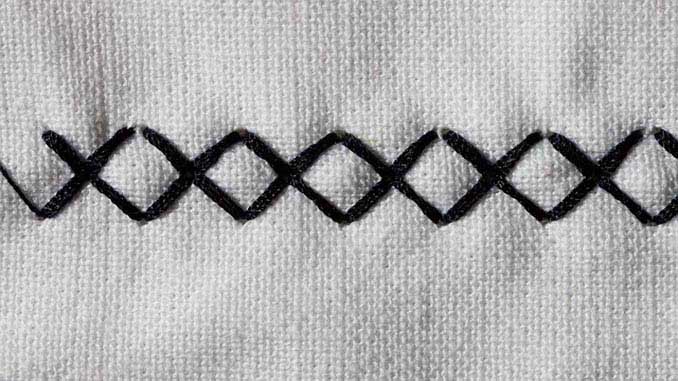
In a world where the pace of life is constantly accelerating and stress is an ever-present companion, finding effective ways to manage one’s mental and emotional well-being is more crucial than ever. While traditional therapies and mindfulness practices offer valuable tools, an unexpected and delightful remedy has quietly been gaining recognition in recent years – cross-stitching therapy. This seemingly simple craft has emerged as a powerful and therapeutic practice for healing the mind and soul.
Cross-stitching therapy combines the intricate art of cross-stitch with the principles of mindfulness and relaxation, creating a practice that nurtures mental well-being. Here are some key reasons why cross-stitching therapy has gained popularity and relevance in today’s hectic world:
Stress Reduction: Cross-stitching requires a high degree of focus and attention to detail. This concentrated effort diverts the mind from stressors and worries, helping reduce stress and anxiety.
Mindfulness: The repetitive nature of cross-stitching encourages mindfulness. As you methodically thread the needle and create each stitch, you enter a state of flow where your entire focus is on the present moment. This meditative quality can promote mental well-being and reduce symptoms of anxiety and depression.
Sense Of Accomplishment: Completing a cross-stitch project provides a tangible sense of accomplishment. Watching a piece of artwork slowly take shape, stitch by stitch, instills a feeling of pride and boosts self-esteem.
Emotional Expression: Cross-stitching can be a form of emotional expression. By selecting colors, patterns, and designs, individuals can channel their emotions into their creations, helping them process and cope with challenging feelings.
Distraction From Negative Thoughts: The process of cross-stitching serves as a constructive and enjoyable distraction from negative or intrusive thoughts. It can help redirect mental energy away from worries and concerns.
Connection And Community: Many individuals find solace in the cross-stitching community. Sharing projects, tips, and experiences with others can provide a sense of belonging and support, reducing feelings of isolation.
To engage in cross-stitching therapy and reap its mental health benefits, consider the following steps:
Select A Project: Begin by choosing a cross-stitch project that matches your skill level and interests. Start with simpler patterns if you’re new to cross-stitching.
Gather Materials: Acquire the necessary materials, including embroidery fabric, cross-stitch thread, embroidery needles, and an embroidery hoop. High-quality materials can enhance the crafting experience.

Learn The Basics: Familiarize yourself with cross-stitching techniques and patterns. Many resources, including books, online tutorials, and classes, are available to guide beginners.
Create A Relaxing Environment: Find a quiet and comfortable space to cross-stitch. Set up your materials in an environment that promotes relaxation and mindfulness.
Set Realistic Goals: Be patient with yourself and set realistic goals. Remember that the process of cross-stitching is therapeutic, and the final piece is a beautiful byproduct.
Share Your Creations: Consider sharing your cross-stitch projects with friends, family, or the online cross-stitching community. Discussing your craft can foster a sense of connection and provide additional motivation.
Cross-stitching therapy offers a harmonious blend of creativity, mindfulness, and relaxation to support mental well-being. This time-honored craft provides a means of reducing stress, achieving mindfulness, expressing emotions, and fostering a sense of accomplishment and connection. Whether you’re an experienced cross-stitcher or new to the art, consider incorporating cross-stitching therapy into your life as a therapeutic practice that stitches together healing for the mind and soul.