A Journey To Wholesome Eating
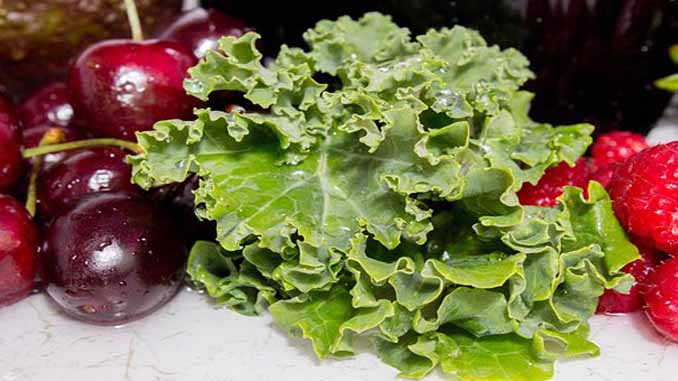
In a world dominated by processed and convenience foods, the concept of real food has become a beacon of hope for those seeking a healthier, more authentic way of nourishing themselves. Real food, often referred to as whole food, represents a return to the basics, embracing unprocessed, natural, and minimally refined ingredients. This article delves into the essence of real food and why it is gaining prominence as a cornerstone of a health-conscious lifestyle.
Defining Real Food: Real food is, at its core, food in its most natural state. It includes whole fruits and vegetables, lean meats, unprocessed grains, legumes, and minimally refined foods. Real food is free from artificial additives, preservatives, and unnecessary processing, with the aim of providing the purest form of nutrition.
The Real Food Movement: The real food movement is gaining momentum as people become more health-conscious and seek to reclaim control over their diets. This shift is influenced by several factors:
1. Health And Well-Being: The health benefits of consuming real food are well-documented. It can help manage weight, lower the risk of chronic diseases, and improve overall well-being. By consuming nutrient-dense, real food, individuals can support their health goals and optimize their vitality.
2. Transparency And Label Reading: As consumers become more label-conscious, they are paying closer attention to ingredient lists. This heightened awareness has driven demand for products that are free from artificial additives, and as a result, real food options have become increasingly popular.
3. Sustainability: Real food is often closely linked to sustainable and ethical agricultural practices. By choosing real food, consumers can support responsible farming and contribute to a more environmentally friendly food system.
4. Nutrient Density: Real food is inherently rich in essential nutrients, vitamins, and minerals. It offers more nutritional value per calorie, making it a sensible choice for those looking to optimize their diets.
The Benefits Of Real Food:
Consuming real food offers numerous benefits, including:
1. Nutritional Value: Real food is packed with essential nutrients, providing a wealth of vitamins, minerals, and antioxidants that support overall health.
2. Weight Management: Real food is often lower in calories and higher in fiber, promoting satiety and aiding in weight management.

3. Better Digestion: The fiber in real food supports healthy digestion and helps maintain a balanced gut microbiome.
4. Enhanced Flavor: Real food is renowned for its natural, unadulterated flavors. It enhances the culinary experience, making meals more enjoyable.
5. Improved Mental Health: Some studies suggest a connection between real food consumption and improved mental well-being. Nutrient-rich diets can positively impact mood and cognitive function.
How To Embrace Real Food: Incorporating real food into your diet is an achievable and fulfilling endeavor.
Here are some practical steps to get started:
1. Whole Foods: Prioritize whole, unprocessed foods like fruits, vegetables, whole grains, and lean proteins. These form the foundation of a real food diet.
2. Label Scrutiny: Read labels carefully, and choose products with minimal ingredients and no artificial additives.
3. Cooking At Home: Preparing meals at home allows you to have complete control over the ingredients and cooking methods.
4. Farmers’ Markets: Visit local farmers’ markets to access fresh, seasonal, and locally sourced real food options.
5. Mindful Eating: Adopt mindful eating practices by savoring the flavors and textures of your meals and paying attention to hunger and fullness cues.
Real food is a celebration of simplicity and authenticity in a world inundated with processed options. Embracing real food is a holistic approach to nourishing the body and the soul, offering a path to better health, greater sustainability, and a deeper connection to the origins of our sustenance.