A Recipe For Health And Convenience
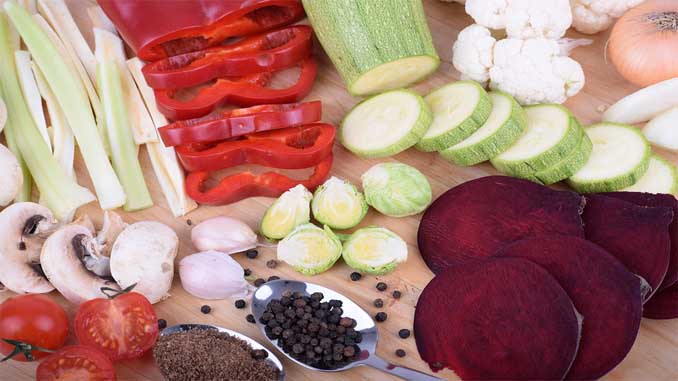
Meal planning is a culinary skill that has grown in importance over the years, offering numerous benefits for individuals and families. It involves preparing a strategy for what to eat, how to shop, and how to prepare your meals in advance. This proactive approach to food management not only makes life easier but also has profound implications for health, nutrition, and overall well-being.
The Basics Of Meal Planning
Meal planning is a systematic approach to deciding what to eat and when. It typically involves:
Menu Creation: You select the dishes and recipes you’d like to prepare for a set period, whether it’s for a week, two weeks, or a month.
Ingredient List: Once your menu is set, you compile a list of all the ingredients you’ll need for those meals.
Shopping: Armed with your ingredient list, you go shopping for the items you don’t have on hand.
Preparation: You then prepare some components of your meals in advance, like chopping vegetables, marinating proteins, or cooking grains, to streamline cooking during the week.
Execution: When mealtime arrives, you follow your pre-planned menu and use the prepped ingredients to simplify the cooking process.
The Benefits Of Meal Planning
Meal planning offers a range of benefits, both for individuals and families:
Healthier Eating: Planning your meals allows you to make healthier food choices. You can include more vegetables, whole grains, and balanced proteins in your diet while reducing the temptation of unhealthy fast food or processed snacks.
Time Savings: Meal planning can save you significant time during the week. With ingredients prepped in advance, you can cook faster, and you can also reduce the number of grocery store visits.
Reduced Food Waste: Knowing exactly what you need to buy and cook minimizes food waste. You’re less likely to buy items that go unused and throw out spoiled ingredients.
Cost Savings: Meal planning can be cost-effective. You’re less likely to order takeout or dine out when you have a plan for meals you’ve already purchased.
Variety And Creativity: With a menu plan in place, you can introduce variety and creativity into your meals. You can experiment with new recipes, cooking techniques, and flavors.
Portion Control: Meal planning helps with portion control, ensuring that you prepare the right amount of food for your household, reducing overeating and leftovers.
Getting Started With Meal Planning
If you’re new to meal planning, here are some tips to help you get started:
Set Realistic Goals: Start with a manageable timeframe, such as planning meals for a week. Over time, you can extend to a month if you feel comfortable.

Gather Recipes: Collect recipes you’d like to try, taking into account your dietary preferences and nutritional goals.
Create A Shopping List: Once you’ve selected your recipes, make a shopping list. Organize it by categories to streamline your grocery shopping.
Prep In Advance: Spend time chopping, marinating, or cooking bulk items, such as grains and proteins, in advance. Store them properly to maintain freshness.
Stay Flexible: Be flexible with your plan. Unexpected events might require you to change your menu, so always have some backup ingredients on hand.
Meal planning is a practical strategy that promotes healthier eating, time savings, and cost-efficiency. By preparing a menu, creating shopping lists, and prepping ingredients in advance, you can streamline your culinary routine and make it easier to enjoy nutritious and delicious meals. Whether you’re an individual looking to eat better or a family seeking to simplify mealtime, mastering the art of meal planning can lead to a more organized and fulfilling lifestyle.