A Journey To Culinary Excellence
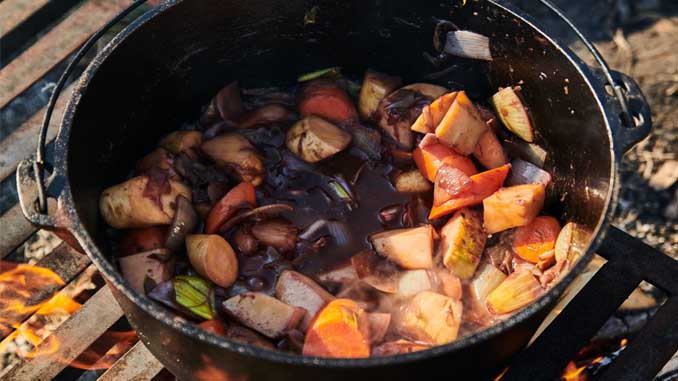
Cooking is a delightful fusion of science, art, and creativity, and the methods used can significantly impact the outcome of a dish. The world of cooking methods is vast and varied, with each approach offering unique advantages and applications. Whether you’re an aspiring chef or a home cook looking to enhance your culinary skills, understanding various cooking methods is essential for creating mouthwatering dishes.
Dry Heat Cooking Methods
1. Roasting: Roasting involves cooking food in an oven or over an open flame. This method caramelizes the exterior while maintaining moisture within, resulting in tender, flavorful dishes. Roasting is ideal for meats, poultry, vegetables, and even fruits.
2. Baking: Similar to roasting, baking takes place in an enclosed oven. This method is perfect for bread, pastries, and casseroles, allowing even cooking and browning.
3. Grilling: Grilling imparts a smoky flavor and beautiful grill marks on food. It’s a favorite for outdoor cooking, especially for items like burgers, steaks, vegetables, and seafood.
4. Broiling: Broiling places food directly beneath the oven’s heating element. It’s a quick way to achieve a browned and crispy top layer, making it ideal for cheese-topped dishes and meats.
Moist Heat Cooking Methods
1. Boiling: Boiling involves immersing food in boiling water. This method is suitable for pasta, rice, vegetables, and hardier foods. It’s important to note cooking times to avoid overcooking.
2. Steaming: Steaming is a gentle method that cooks food over, not in, boiling water. It preserves nutrients and flavors, making it an excellent choice for vegetables, seafood, and dumplings.
3. Poaching: Poaching involves gently simmering food in a flavorful liquid, typically at a lower temperature than boiling. This method is perfect for cooking delicate items like eggs, fish, and chicken.
4. Simmering: Simmering cooks food in a liquid at a low, consistent temperature, creating a rich and aromatic broth. It’s the foundation for soups, stews, and braised dishes.
Combination Cooking Methods
1. Braising: Braising combines dry and moist heat methods. Initially, food is seared in a pan to develop a crust, then it’s simmered in a flavorful liquid. This method is excellent for tougher cuts of meat and vegetables.
2. Stewing: Stewing involves chopping food into small pieces and simmering them in a liquid to create a cohesive, flavorful dish. It’s perfect for hearty, one-pot meals like stews and casseroles.

3. Sautéing And Stir-Frying: These high-heat, quick-cooking methods use a small amount of oil and frequent stirring. Sautéing is ideal for tender ingredients, while stir-frying is used for small pieces of food, often in a wok, producing crispy textures and intense flavors.
Specialized Cooking Methods
1. Sous-Vide: Sous-vide is a precise method of cooking food in vacuum-sealed bags submerged in a water bath at a consistent low temperature. It results in incredibly tender and evenly cooked dishes.
2. Smoking: Smoking involves exposing food to flavorful smoke, typically in a smoker or grill. It imparts a rich, smoky flavor and is often used for meats and fish.
3. Fermentation: Fermentation is a natural process used to transform foods and beverages. It’s employed in making yogurt, cheese, beer, and sourdough bread.
Understanding cooking methods is an essential aspect of becoming a proficient cook. These methods offer a wide range of techniques to explore, each contributing to the overall flavor, texture, and visual appeal of your culinary creations. Whether you’re grilling a steak, simmering a hearty stew, or trying your hand at sous-vide cooking, the methods you choose will determine the success and enjoyment of your dishes. Experimenting with various cooking methods is a rewarding journey that can lead to culinary excellence and gastronomic delights for yourself and others.