A Guide To Healthy And Inclusive Eating
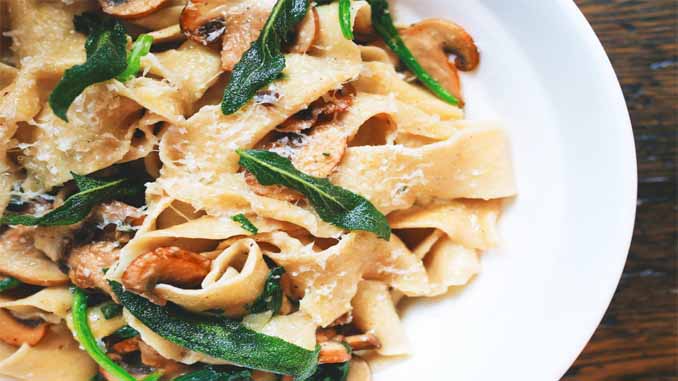
Dietary restrictions have become increasingly prevalent in today’s world, with many people making intentional dietary choices for various reasons, including health, ethics, and allergies. These restrictions can range from avoiding specific ingredients or food groups to adhering to cultural or religious dietary practices. In this article, we explore the concept of dietary restrictions, the motivations behind them, and how to navigate them for a healthier and more inclusive approach to eating.
Types Of Dietary Restrictions
Allergies And Sensitivities: Some individuals must avoid certain foods due to allergies or sensitivities. Common allergens include peanuts, tree nuts, dairy, and shellfish. For them, consuming these foods can lead to severe allergic reactions or digestive discomfort.
Religious And Cultural Practices: Many people adhere to specific dietary guidelines dictated by their religious beliefs or cultural traditions. For example, Muslims observe halal dietary laws, while Hindus may avoid beef due to religious beliefs.
Health And Lifestyle Choices: Some people adopt dietary restrictions as a part of a healthy lifestyle. This includes vegetarianism, veganism, or gluten-free diets, often motivated by environmental concerns, animal welfare, or gluten-related health issues like celiac disease or gluten sensitivity.
Medical Conditions: Certain medical conditions, such as diabetes, require dietary restrictions to manage blood sugar levels effectively. Patients with kidney disease may need to limit their potassium and phosphorus intake.
Motivations Behind Dietary Restrictions
Health: Many dietary restrictions are motivated by health considerations. For example, a low-sodium diet can help manage high blood pressure, while a low-carb diet can be beneficial for individuals with diabetes.
Ethics: Ethical considerations drive choices like veganism and vegetarianism. People who choose these diets often do so to reduce their environmental impact, avoid animal cruelty, or support sustainable and cruelty-free practices.

Religious Beliefs: Dietary restrictions rooted in religious beliefs are a way of showing devotion, maintaining spiritual purity, or following sacred texts and rituals.
Allergies And Sensitivities: Individuals with food allergies or sensitivities follow restrictions to avoid allergic reactions, gastrointestinal discomfort, or other adverse health effects.
Navigating Dietary Restrictions
Education: If you have dietary restrictions, it’s crucial to educate yourself about the foods and ingredients that align with your dietary choices. Reading food labels and seeking out information from reputable sources can be invaluable.
Communication: When dining out or sharing meals with others, clear communication is key. Informing hosts, waitstaff, or friends about your dietary restrictions ensures that your needs are accommodated.
Recipe Adaptations: Many recipes can be adapted to accommodate dietary restrictions. For example, you can substitute plant-based ingredients for animal products or use gluten-free flour in place of wheat flour in your baking.
Community Support: Joining support groups, online forums, or communities dedicated to your specific dietary restrictions can provide valuable insights, recipes, and support from individuals who share similar dietary challenges.
Consult Professionals: For medical dietary restrictions, consulting a healthcare provider or dietitian can help create a well-balanced and nutritionally sound eating plan that meets your specific needs.
Dietary restrictions are a common and essential aspect of many people’s lives, driven by a variety of motivations. Whether you’re following dietary restrictions for health reasons, ethical considerations, or cultural and religious beliefs, embracing these restrictions can lead to a healthier, more inclusive, and fulfilling approach to eating. Proper education, clear communication, and community support can help individuals navigate these dietary choices successfully while ensuring that their nutritional needs are met.