Cultivating A Healthier Planet And Society
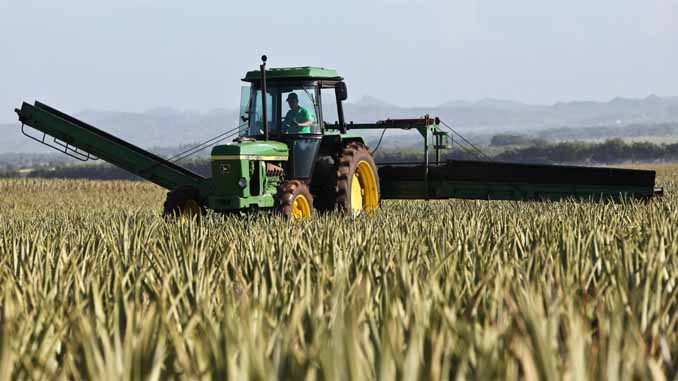
The sustainable food movement is a growing global phenomenon that seeks to transform the way we produce, distribute, and consume food. Rooted in principles of environmental responsibility, social equity, and human health, this movement has gained traction as individuals and communities increasingly recognize the importance of making conscious choices about what we eat and how it affects our planet. Here, we explore the key tenets and the transformative potential of the sustainable food movement.
Environmental Responsibility: At the heart of the sustainable food movement lies a profound commitment to environmental sustainability. Traditional industrial agriculture often relies on practices that deplete soil, pollute waterways, and contribute to deforestation. In contrast, sustainable farming methods prioritize responsible land management, biodiversity, and resource conservation. Practices such as organic farming, regenerative agriculture, and permaculture aim to maintain or improve the health of the land and mitigate the impact of food production on climate change.
Local And Seasonal Sourcing: Sourcing food locally and seasonally is another fundamental aspect of the sustainable food movement. This approach is a response to the vast carbon footprint generated by long-distance food transportation. Choosing locally grown and seasonal ingredients reduces greenhouse gas emissions and supports local economies. It also encourages consumers to reconnect with the natural rhythms of their environment and to enjoy a diverse range of fresh, in-season produce.
Reducing Food Waste: The sustainable food movement recognizes the global challenge of food waste. It calls for reducing waste at all stages of the food supply chain, from production and distribution to consumption. By preventing food from going to waste, we conserve resources, reduce the strain on landfills, and address issues of food scarcity and hunger.
Social Equity And Responsibility: Promoting social equity and responsibility is a core value of the sustainable food movement. It encompasses fair labor practices, food access for all, and the eradication of hunger. The movement seeks to eliminate disparities in access to nutritious, affordable food and strives for a world where food is a basic human right, not a privilege.
Healthy Eating: Healthy eating is a vital component of the sustainable food movement. It encourages a diet based on nutrient-dense, minimally processed foods. Sustainable food choices often align with healthier eating patterns, emphasizing fruits, vegetables, whole grains, and lean proteins. This approach not only supports individual well-being but also reduces the burden of chronic diseases on society.

Consumer Awareness: Raising consumer awareness is essential to the success of the sustainable food movement. When individuals understand the impact of their food choices on the environment, local communities, and their health, they are more likely to make informed decisions that align with sustainability goals. Knowledge empowers consumers to vote with their forks and influence the food industry.
Government And Industry Involvement: Government policies and industry practices play a crucial role in promoting food sustainability. Subsidies, regulations, and incentives can either support or hinder sustainable farming and food distribution. Encouraging sustainable practices at the industry level can have a profound impact on the sustainability of our food systems.
The sustainable food movement is not just a trend; it’s a global shift toward a more responsible and ethical approach to food production and consumption. It offers a blueprint for a future where food nourishes our bodies and the planet, where it fosters social equity and strengthens local communities. By making mindful choices and advocating for change, we can contribute to a world where food not only sustains us but also cultivates a healthier planet and society.