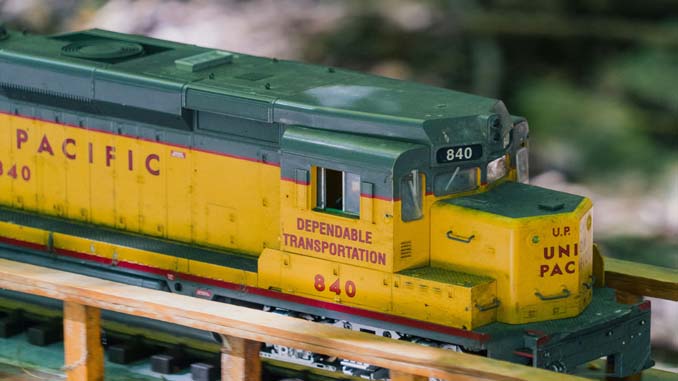
What makes a toy train more than just a toy? For hobbyists and collectors, it’s all about realism—and behind that realism lies a surprising amount of engineering. From precise scaling and motor design to digital controls and sound simulation, today’s high-end toy trains are miniature marvels of mechanical and electronic innovation.
The first step in creating a realistic model is accurate scale and proportion. Most manufacturers follow standard scales—like HO (1:87), N (1:160), or O (1:48)—to ensure consistency across layouts. Engineers and designers work from blueprints or photographs of real trains to replicate everything from the body shape to the placement of rivets and vents. CAD software allows for microscopic precision, ensuring that each model mirrors its full-size counterpart as closely as possible.
But realism isn’t just skin deep. The motors and gearing systems in modern toy trains are engineered for smooth, reliable performance. Advanced models use flywheels and balanced motors to maintain momentum and reduce jerky starts and stops. Some even feature load-sensing decoders that adjust power based on the train’s weight—just like real locomotives.
One of the most impressive advancements in recent years is digital command control (DCC). This system lets users operate multiple trains independently on the same track, with individual control over speed, direction, lighting, and sound. DCC decoders installed in locomotives are compact yet sophisticated, managing everything from realistic horn blasts to synchronized puffing smoke in steam engines.
Sound engineering has also come a long way. Using recordings of real train engines, manufacturers integrate high-fidelity speakers into locomotives to replicate engine roars, wheel squeals, and station announcements. In some cases, the sounds even respond dynamically to how the train is operated.
Beyond electronics, the materials and finishes used in premium models contribute to the illusion of reality. Metal castings, hand-painted details, and weathering effects simulate years of service and wear, making each model feel alive.
In essence, building a realistic toy train is a blend of art, engineering, and storytelling. These models aren’t just toys—they’re miniature machines that celebrate the design, function, and romance of railroading.
