Wave Dynamics In Surfing
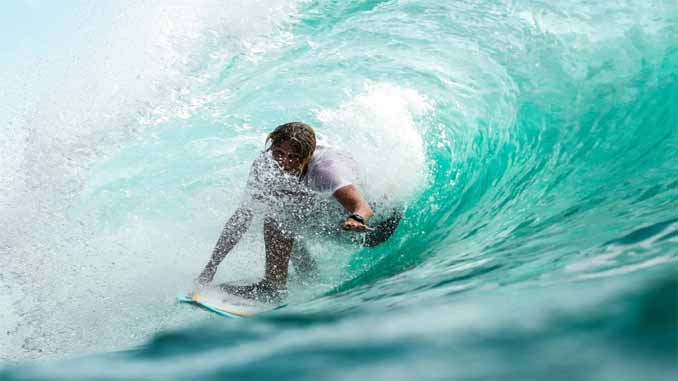
Surfing, often described as a dance with the waves, is an art that relies on an intricate understanding of wave dynamics. Every wave is unique, possessing its own rhythm, shape, and personality. Surfing becomes an awe-inspiring experience when you grasp the nuances of wave dynamics. In this article, we will explore the fascinating world of wave dynamics in surfing.
Understanding Wave Formation: Waves are born in the open ocean, where wind energy transfers to the water’s surface. As the wind blows across the water, it imparts energy, creating ripples. These ripples grow and develop into the swells that surfers eagerly anticipate. The size of the waves depends on factors such as wind speed, duration, and the distance over which the wind travels.
Wave Direction: Wave direction is an essential component of wave dynamics. The direction from which a wave approaches a coastline or surf break significantly influences the ride. Surfing enthusiasts pay close attention to the angle at which waves approach the shore. A perfectly aligned wave can offer a long, thrilling ride, while a misaligned wave might break in a less-than-ideal manner.
Wave Period: Wave period, often expressed in seconds, refers to the time it takes for two consecutive wave crests to pass a fixed point. Longer wave periods are indicative of powerful and well-organized swells, resulting in cleaner and more rideable waves. Shorter wave periods can lead to choppy and less predictable conditions.
Wave Sets: Wave sets consist of groups of waves that arrive consecutively. In between sets, surfers experience lulls, creating moments of anticipation and readiness. Understanding the rhythm of wave sets is crucial for positioning and timing when paddling and catching waves. Surfers need to gauge the intervals between sets to be in the right place at the right time.
Types Of Waves:
The classification of waves based on their shape and breaking behavior plays a significant role in wave dynamics:
Reef Breaks: These waves break over a submerged reef or rocky bottom. Reef breaks can produce fast, hollow waves that are favored by experienced surfers.
Point Breaks: Point breaks are formed by waves breaking along a point of land. They create long, peeling waves that are ideal for graceful rides and maneuvers.
Beach Breaks: Beach breaks occur over sandy bottoms, resulting in a variety of wave shapes and unpredictability. They are suitable for surfers of different skill levels.
Rivermouth Breaks: Where rivers meet the ocean, rivermouth breaks can produce powerful and dynamic waves, often favored by advanced surfers.
Slab Waves: Slab waves are renowned for their steep, often monstrous, and barreling nature. These waves are not for the faint-hearted and require advanced skills to navigate.
Wave Behavior And Refraction: When waves approach shallower waters near the shoreline, they undergo a process called refraction. This bending of waves causes them to approach the beach at an angle, which influences how they break. Surfers must account for this phenomenon when positioning themselves in the lineup to catch the waves effectively.
Wave dynamics are at the heart of the surfing experience. Understanding how waves form, the direction from which they come, their period, and their behavior at different types of breaks is essential for surfers. It’s a lifelong journey of learning and adapting to the ever-changing nature of the ocean. As surfers deepen their comprehension of wave dynamics, they unlock the magic of riding the waves with finesse and artistry, creating memories that will last a lifetime.