Understanding The Risks
Of Sports-Related Injuries
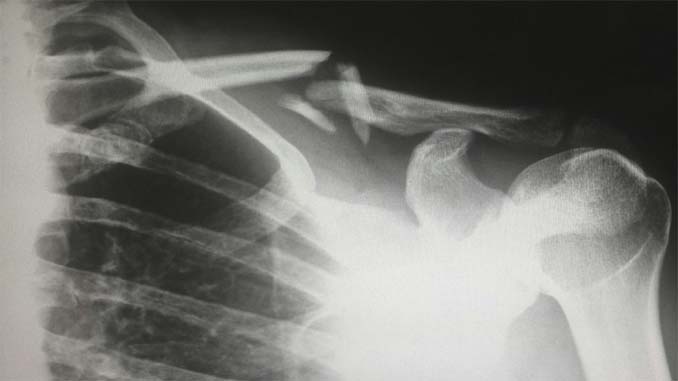
Engaging in sports and physical activities offers a plethora of physical, mental, and social benefits, from improved fitness and mental well-being to enhanced social interactions. However, it’s important to recognize that the exhilaration of these activities comes with inherent risks, and understanding these risks is a crucial aspect of responsible participation in sports. In this article, we will explore the various risks associated with sports-related injuries and the importance of being informed.
1. Acute Trauma: One of the most immediate risks in sports is acute trauma, which includes injuries such as fractures, dislocations, and concussions. These injuries often occur as a result of sudden, forceful impact and can have severe consequences if not promptly addressed.
2. Overuse Injuries: Overuse injuries are another common risk in sports. These injuries develop gradually from repetitive stress on a particular area of the body. Overuse injuries can affect tendons, muscles, and joints, leading to conditions like tendinitis, stress fractures, and muscle strains.
3. Sprains And Strains: Sprains and strains are frequent sports injuries. Sprains involve the stretching or tearing of ligaments, while strains affect muscles or tendons. These injuries often result from improper technique, inadequate warm-up, or overexertion.
4. Dislocations: Dislocations occur when a bone is forcibly pushed out of its joint. Sports that involve sudden impacts or falls, such as football or basketball, carry a higher risk of dislocation injuries.
5. Stress Fractures: Stress fractures are hairline cracks in bones that typically result from repetitive, high-impact activities. Runners, gymnasts, and dancers are particularly susceptible to these injuries.
6. Concussions: Concussions are a type of traumatic brain injury often caused by head impacts, common in contact sports like football and soccer. Proper diagnosis and management of concussions are critical to avoid long-term consequences.
7. Contusions And Bruises: Contusions, commonly known as bruises, are injuries that result from blunt force trauma. While not usually severe, they can be painful and temporarily limit performance.
8. Sprained Ankles: Ankle sprains are a prevalent sports injury, typically occurring when the foot rolls or twists unnaturally. They can vary in severity from mild to severe and may require extended recovery periods.
9. Cuts And Abrasions: Sports that involve contact with hard surfaces or objects may lead to cuts and abrasions. These injuries can range from minor scrapes to more severe lacerations.
10. Heat-Related Illnesses: Participating in sports in extreme heat can lead to heat-related illnesses like heat exhaustion and heatstroke. These conditions can be life-threatening if not promptly treated.
Understanding these risks is vital for athletes, coaches, and parents. It highlights the importance of proper training, warm-up routines, protective gear, and adherence to safety guidelines. Athletes must be aware of their bodies and take appropriate precautions to minimize the risks associated with their chosen sport.
Moreover, prompt and effective treatment and rehabilitation are essential in the event of an injury to ensure a full recovery. Seeking professional medical advice, physical therapy, and adhering to a structured recovery plan is crucial for athletes who suffer injuries.
Participating in sports and physical activities is a rewarding endeavor, but it is not without its risks. Understanding these risks and taking proactive measures to prevent injuries is essential for a safe and fulfilling sporting experience. By staying informed, prioritizing safety, and seeking proper treatment when needed, athletes can reduce the likelihood and impact of sports-related injuries and continue to enjoy the many benefits of an active lifestyle.