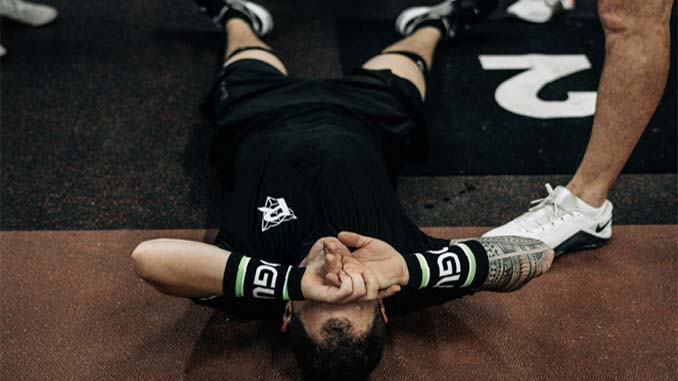
Sports injuries are an unfortunate but common occurrence in the world of athletics. Whether you’re a professional athlete or a weekend warrior, injuries can happen. What sets athletes apart is their commitment to recovery and getting back to their sport as quickly and safely as possible. In this article, we will explore the importance of developing a comprehensive recovery plan for sports injuries.
Assess The Injury: The first step in any recovery plan is to assess the injury’s severity and type. This may require a medical professional’s evaluation. Understanding the extent of the injury helps in tailoring the recovery plan to specific needs.
Rest And Immobilization: In many cases, rest and immobilization are necessary to allow the body to heal. This might involve using crutches, slings, or braces. The duration of rest depends on the injury, but it’s crucial not to rush back into physical activity.
Physical Therapy: Physical therapy is often a cornerstone of sports injury recovery. A physical therapist can design a personalized plan to strengthen muscles, improve mobility, and restore functionality. They guide athletes through exercises that target the affected area.
Pain Management: Managing pain is a critical aspect of recovery. This may involve over-the-counter pain relievers or prescribed medications. However, athletes should follow their healthcare provider’s advice on pain management to avoid potential risks.
Rehabilitation Exercises: Incorporating rehabilitation exercises into the recovery plan helps in restoring strength and flexibility. These exercises are progressive, gradually increasing in intensity as the injury heals. Athletes should perform them under the supervision of a physical therapist or trainer.
Nutrition And Hydration: A well-balanced diet rich in nutrients is essential for the body’s healing process. Adequate protein, vitamins, and minerals support tissue repair and growth. Staying hydrated is equally crucial.
Gradual Return To Activity: Athletes must follow a gradual return-to-sport plan. Rushing back into strenuous activity can lead to reinjury. This plan should be developed with a healthcare provider or trainer and include a step-by-step progression.
Mental Health Support: Injuries can take a toll on an athlete’s mental health. Anxiety, depression, and frustration are common emotional responses. Seeking psychological support, such as counseling or sports psychology, can help athletes cope with the emotional challenges of recovery.
Listen To Your Body: The body often sends signals about its readiness to resume normal activity. Athletes should pay close attention to these signals. Pain, discomfort, or reduced performance may indicate that they need more time to recover.
Preventive Measures: Once the athlete is back in action, preventive measures become crucial. This includes proper warm-ups, cool-downs, and injury prevention exercises to reduce the risk of future injuries.
Regular Check-Ups: Follow-up appointments with medical professionals or physical therapists are vital to ensure the injury is healing as expected. Adjustments to the recovery plan can be made based on their recommendations.
A comprehensive recovery plan for sports injuries is essential to ensure athletes regain their full strength and functionality while minimizing the risk of reinjury. This plan should include assessing the injury, rest, physical therapy, pain management, rehabilitation exercises, proper nutrition, a gradual return to activity, and mental health support. Athletes must also remain vigilant, listen to their bodies, and focus on injury prevention to maintain their long-term well-being and performance in their chosen sport. Remember, a well-structured recovery plan is the path to a successful comeback.