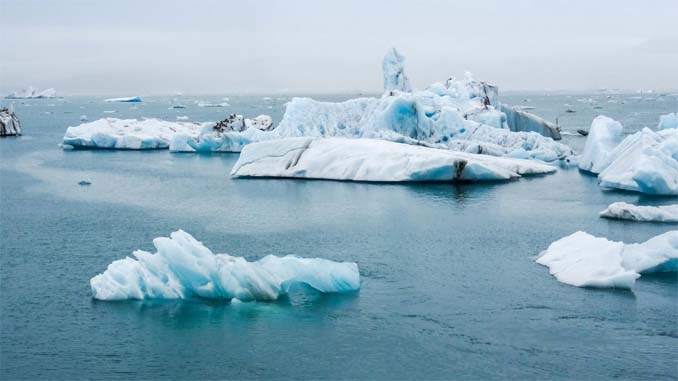
Global warming is not only reshaping landscapes and weather patterns but also profoundly impacting wildlife across the globe. As temperatures rise and ecosystems change, many animal species face new challenges that threaten their survival, disrupt natural behaviors, and alter biodiversity.
One of the most visible effects of global warming on wildlife is habitat loss. Rising temperatures cause ice caps and glaciers to melt, shrinking habitats for cold-adapted species such as polar bears, seals, and penguins. In tropical regions, warmer waters have led to coral bleaching, which damages coral reefs—essential habitats for thousands of marine species. Similarly, forests and wetlands are drying out or shifting, forcing animals to migrate or adapt quickly to new environments.
Climate change also affects the timing of natural events, known as phenology. For example, many birds rely on seasonal cues to migrate or breed. As spring arrives earlier due to warming, birds may migrate too soon or too late relative to the availability of food like insects and plants. This mismatch can reduce breeding success and population numbers. Likewise, amphibians and reptiles that depend on specific temperature ranges for reproduction may find their life cycles disrupted.
Global warming influences food chains as well. Changes in temperature and precipitation affect plant growth and insect populations, which in turn impacts herbivores and the predators that rely on them. In some regions, droughts reduce water availability, stressing animals that depend on rivers and lakes. Meanwhile, invasive species and diseases may spread more rapidly in warmer conditions, posing additional threats to native wildlife.
Many species are also being forced to migrate to higher altitudes or latitudes in search of cooler habitats. While some can adapt, others face barriers like urban development, fragmented landscapes, or lack of suitable environments, leading to population declines or extinction. These shifts can disrupt ecological balances and reduce biodiversity, which is vital for healthy ecosystems.
Scientists emphasize that protecting wildlife from the impacts of global warming requires global cooperation and conservation efforts. Preserving natural habitats, restoring degraded ecosystems, and reducing greenhouse gas emissions are crucial steps. Monitoring species and ecosystems also helps identify vulnerable wildlife and guide interventions.
Global warming’s impact on wildlife is a stark reminder that climate change affects all forms of life on Earth. Understanding these effects deepens the urgency to address global warming and protect the planet’s rich biodiversity.