The Life And Legacy Of A Legendary Conqueror
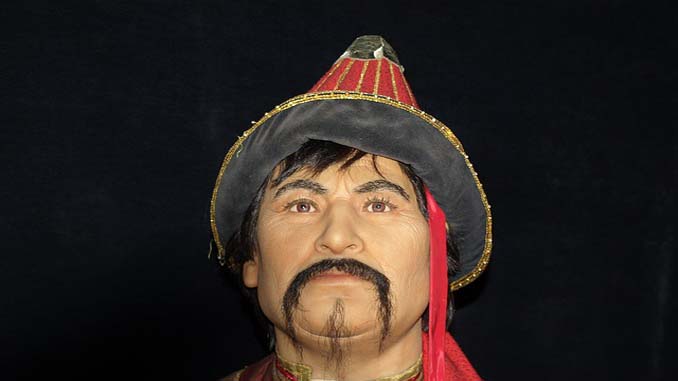
Who Was Genghis Khan?
Genghis Khan, born around 1162 in the Mongolian steppe, is one of the most renowned and influential figures in world history. Rising from humble beginnings, he unified the nomadic tribes of Central Asia and established the vast Mongol Empire, which became the largest contiguous empire the world has ever seen. His leadership, military tactics, and vision for a unified empire left an indelible mark on the course of history.
Early Life And Rise To Power
Genghis Khan, originally named Temüjin, was born into the Borjigin clan, a tribe of nomadic hunters and herders in the harsh environment of the Mongolian steppe. His early life was marked by hardship and struggle, as his father was murdered, leaving him and his family vulnerable to rival tribes. Despite these challenges, Temüjin displayed exceptional intelligence, resilience, and leadership qualities from a young age.
Unification Of Mongol Tribes: Overcoming political rivalries and internal strife, Temüjin united the fragmented Mongol tribes by forming alliances, conquering adversaries, and establishing a centralized governance system. In 1206, he was declared “Genghis Khan,” meaning “Universal Ruler,” signaling his authority over the tribes and his newfound ambition to expand beyond the steppe.
The Mongol Empire and Military Prowess
Genghis Khan’s military strategies and organizational skills were key to his empire’s rapid expansion. His army was highly disciplined, well-trained, and skilled in cavalry warfare. Genghis perfected the use of swift, mobile forces capable of overwhelming larger, less-mobile opponents.
Effective Tactics And Strategy: Genghis Khan implemented innovative military tactics such as feigned retreats, coordinated strikes, and the use of spies and intelligence. His forces were adaptable and capable of conquering vast territories.
Conquests And Expansion: Under his leadership, the Mongol Empire expanded from the steppe into China, Central Asia, the Middle East, and parts of Europe. Genghis Khan’s empire stretched from the Pacific Ocean to Eastern Europe, encompassing diverse cultures, peoples, and vast landscapes.
Cultural and Political Contributions
Despite his reputation as a conqueror, Genghis Khan is often credited with fostering cultural and political stability across his empire.
Legal And Administrative Reforms: He established a legal code known as the Yasa, which promoted fairness and justice across his empire. His laws emphasized meritocracy, religious tolerance, and efficient governance, creating a stable and unified empire.
Trade And Communication: The Mongol Empire facilitated extensive trade networks, known as the Silk Road, which connected Asia and Europe, promoting cultural exchange and economic prosperity.
Religious Tolerance: Genghis Khan welcomed religious diversity, respecting the beliefs of conquered peoples and fostering a sense of unity, which helped maintain stability within the vast empire.
Legacy
Genghis Khan’s legacy extends far beyond the territories he conquered. His vision of a unified empire laid the groundwork for the later rise of the Mongol Empire, which continued to influence world history. The administrative, cultural, and military innovations that Genghis Khan pioneered had a lasting impact on regions as diverse as Europe, the Middle East, and East Asia.
Cultural Integration: Genghis Khan facilitated the exchange of ideas, technologies, and cultures across his empire, fostering long-term global connections that would influence the modern world.
Influence On Modern Mongolia: Today, Genghis Khan is revered as a national hero in Mongolia, symbolizing resilience, strength, and the unity of the Mongolian people.
Genghis Khan remains one of history’s most formidable and enigmatic figures. His rise from a nomadic leader to the founder of the vast Mongol Empire highlights his extraordinary leadership, military genius, and lasting influence on world history. His vision and achievements continue to shape the legacy of the Mongol Empire and its global impact.