Iconic Global Attractions
What Are The Most Famous Landmarks In The World?
The most famous landmarks in the world are iconic structures and natural wonders that have become symbols of human achievement, cultural heritage, and natural beauty. These landmarks attract millions of tourists annually, serving as key points of interest and cultural icons. From ancient wonders to modern marvels, the world’s most famous landmarks inspire awe and admiration.
Top 10 Most Famous Landmarks Around The World
Eiffel Tower, Paris, France
The Eiffel Tower is one of the most iconic landmarks globally, drawing millions of visitors each year. Built for the 1889 World’s Fair, it stands as a symbol of French culture, innovation, and architectural brilliance.
The tower’s unique iron structure and stunning views from its observation decks make it a must-visit destination.
Great Wall Of China, China
The Great Wall of China is one of the most famous landmarks, stretching over 13,000 miles. Built over centuries to protect China from invasions, it showcases human ingenuity and resilience.
Today, it attracts millions of tourists eager to walk along its ancient battlements and experience Chinese history.
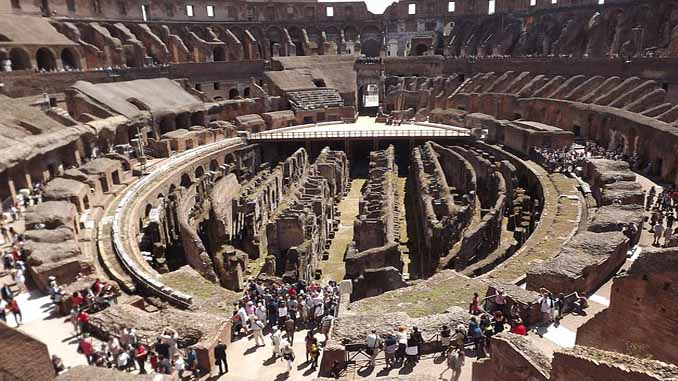
Colosseum, Rome, Italy
The Colosseum is a testament to the grandeur of Ancient Rome. Built around 70-80 AD, this massive amphitheater was once used for gladiatorial games and public spectacles.
Its iconic arches and historical significance make it one of the most visited landmarks in Italy and the world.
Machu Picchu, Peru
The Machu Picchu is a stunning Incan citadel located high in the Andes Mountains of Peru. Surrounded by breathtaking landscapes, it is a UNESCO World Heritage Site and a symbol of ancient Andean culture.
Visitors are drawn to its mystique and the incredible craftsmanship of the Incan civilization.
Statue Of Liberty, New York, USA
The Statue of Liberty represents freedom and democracy. Gifted by France to the United States in 1886, it stands as a powerful symbol of hope and welcome.
The statue’s significance as a beacon of freedom attracts millions of tourists from around the globe.
Christ The Redeemer, Rio de Janeiro, Brazil
The Christ the Redeemer statue overlooks Rio de Janeiro from the top of the Corcovado Mountain. Standing at 30 meters tall, it is an iconic symbol of Christianity and Brazilian culture.
The statue’s breathtaking location and spiritual significance make it a popular landmark.
Taj Mahal, India
The Taj Mahal is a masterpiece of Mughal architecture. Built in the 17th century as a mausoleum, it symbolizes love and is considered one of the most beautiful buildings in the world.
Its stunning white marble and intricate design make it a UNESCO World Heritage Site and a must-see landmark.
Great Barrier Reef, Australia
The Great Barrier Reef is the world’s largest coral reef system, stretching over 2,300 kilometers. It is home to a diverse range of marine life and is a UNESCO World Heritage Site.
Its vibrant underwater world and natural beauty attract divers and nature lovers from across the globe.
Petra, Jordan
Petra, the “Rose City,” is an ancient city carved into red sandstone cliffs. Once a bustling trade hub of the Nabateans, its architectural wonders and tombs make it one of the most fascinating landmarks in the Middle East.
Northern Lights (Aurora Borealis)
The Northern Lights are a stunning natural phenomenon visible in high-latitude regions such as Scandinavia, Alaska, and Canada. The vivid colors and dance of light across the night sky create a breathtaking spectacle.
Cultural And Historical Significance
Landmarks like these are not only tourist attractions but also hold immense cultural and historical significance. They represent milestones in human history, creativity, and civilization, offering a glimpse into different cultures, traditions, and achievements.
The world’s most famous landmarks—whether architectural wonders like the Eiffel Tower, natural marvels like the Great Barrier Reef, or ancient structures like the Great Wall of China—continue to inspire travelers and symbolize human creativity, heritage, and cultural diversity. Visiting these landmarks offers a deeper understanding of the world’s rich history and the remarkable achievements of humanity.