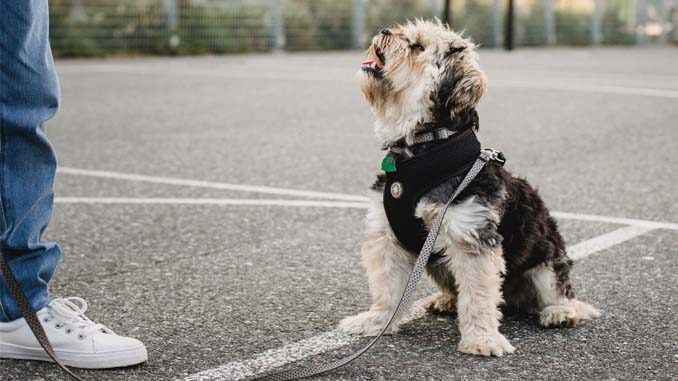
Positive reinforcement is a cornerstone of effective dog training. It is a humane and science-backed approach that focuses on rewarding desired behaviors, promoting a strong and respectful bond between you and your furry companion. In this article, we will delve into the concept of positive reinforcement and explore its many benefits in shaping well-behaved and happy dogs.
Understanding Positive Reinforcement
Positive reinforcement is a training method that involves rewarding your dog when they exhibit a desirable behavior. The reward can be in the form of treats, praise, toys, or affection. The key is to make the reward immediately follow the desired action, reinforcing the connection between the behavior and the positive outcome.
Benefits Of Positive Reinforcement
Promotes Trust And Bonding: Positive reinforcement creates an environment of trust and mutual understanding between you and your dog. Your pet learns to associate good behavior with rewards, making them more likely to repeat those actions. This reinforces your role as a benevolent leader rather than an intimidating figure.
Encourages A Willing Attitude: Dogs are naturally inclined to seek rewards and please their owners. Positive reinforcement taps into this innate motivation, making your pup more eager to learn and cooperate. It fosters a cooperative and willing attitude during training.
Reduces Anxiety And Fear: Traditional punitive training methods can instill fear and anxiety in dogs, leading to aggression or avoidance behavior. Positive reinforcement, on the other hand, creates a safe and enjoyable training environment, minimizing stress and building your dog’s confidence.
Enhances Problem-Solving Skills: By focusing on rewarding good behavior, positive reinforcement encourages your dog to think and problem-solve. This not only helps them learn commands but also sharpens their cognitive abilities.
Long-Lasting Results: Positive reinforcement is associated with long-lasting results. When your dog connects good behavior with rewards, they are more likely to continue exhibiting those behaviors even without immediate reinforcement.
Tips For Using Positive Reinforcement
Timing Is Crucial. Reward your dog immediately after they perform the desired behavior to strengthen the association between the action and the reward.
Use High-Value Rewards. Find treats or toys that truly motivate your dog. These high-value rewards make the training process more engaging and effective.
Be Consistent. Ensure that all family members use consistent cues and rewards to avoid confusing your dog.
Keep Training Sessions Short And Positive. Dogs have limited attention spans, so keep training sessions fun and engaging to prevent boredom.
Progress At Your Dog’s Pace. Every dog is unique, and some may learn more quickly than others. Be patient and adjust your training to your dog’s abilities and needs.
Positive reinforcement in dog training is a powerful and compassionate approach that promotes a strong bond between you and your furry friend. By rewarding desired behaviors with treats, praise, and affection, you create a harmonious and trusting relationship with your pet. This method not only encourages good behavior but also nurtures a willing and confident attitude in your dog. Remember that positive reinforcement is a proven, humane, and effective way to train your pup, resulting in a well-behaved and happy companion.